-
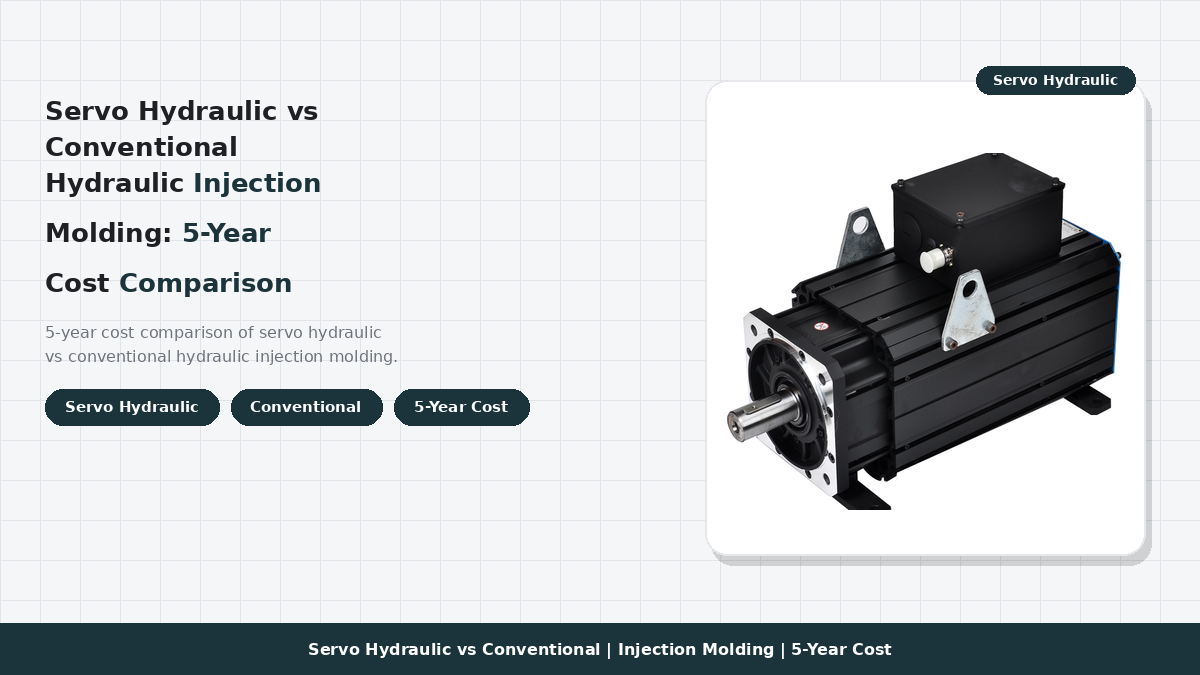
TL;DR A servo-hydraulic injection molding machine consumes roughly 40–80 % less energy than a conventional fixed-pump hydraulic press on the same parts and cycle time, depending on shot size, hold profile, and idle ratio. The servo premium (the gap between servo and conventional machine pu...Read more »
-
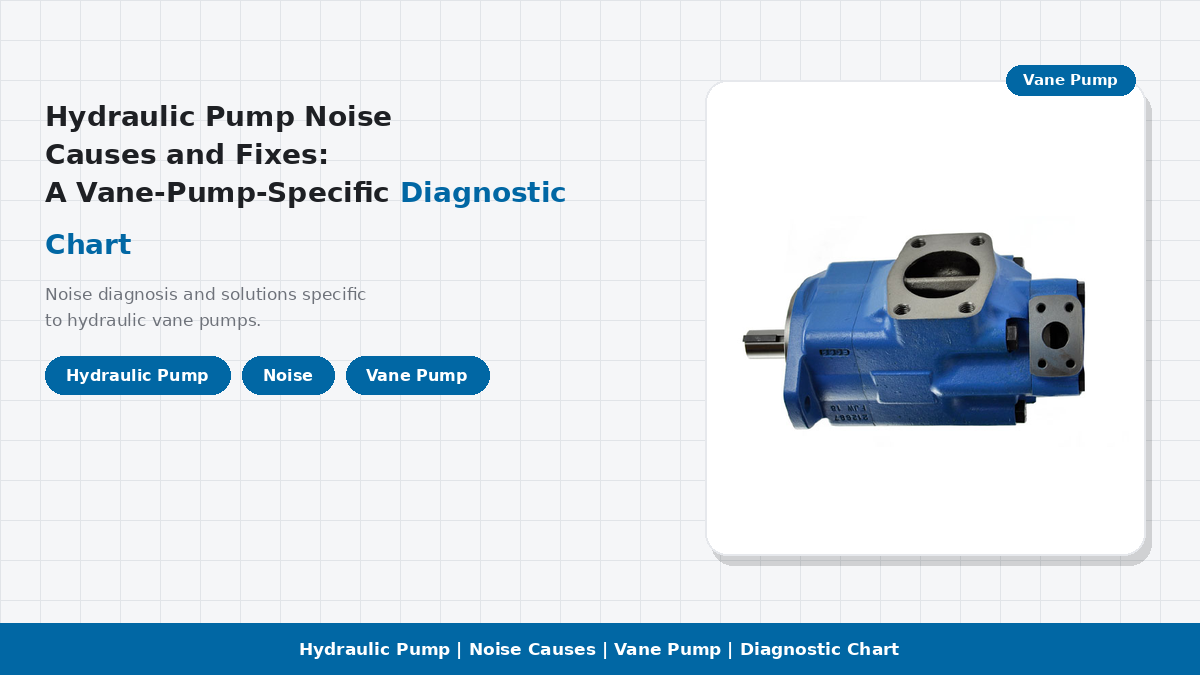
Quick answer: Hydraulic pump noise in a vane pump is one of five recognizable types — continuous whine, pulsating whine, knocking, high-frequency squeal, or hissing — and the Vickers VQ series intra-vane pump noise problem is almost always one of seven root causes: air ingress (~35% of complaint...Read more »
-
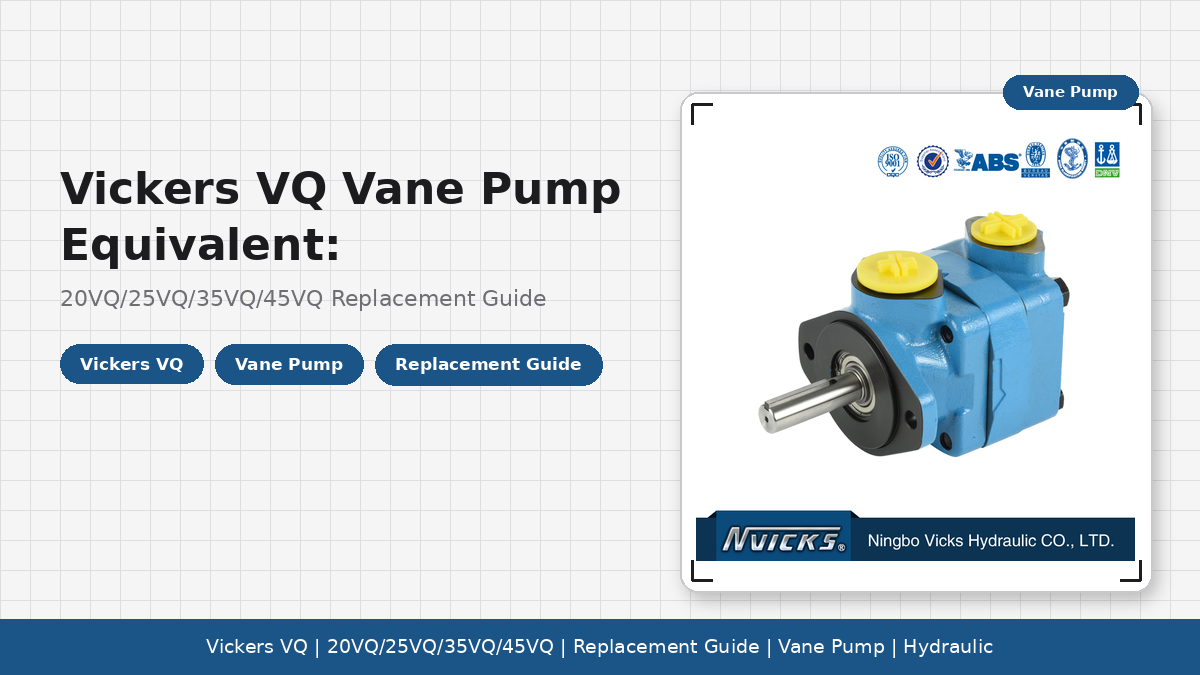
Eaton Vickers VQ single vane pumps — the 20VQ, 25VQ, 35VQ, and 45VQ series — have been a workhorse of industrial hydraulic systems since the 1970s. These fixed-displacement, single-stage vane pumps are found in machine tools, plastic injection presses, marine steering systems, mobile constructi...Read more »
-
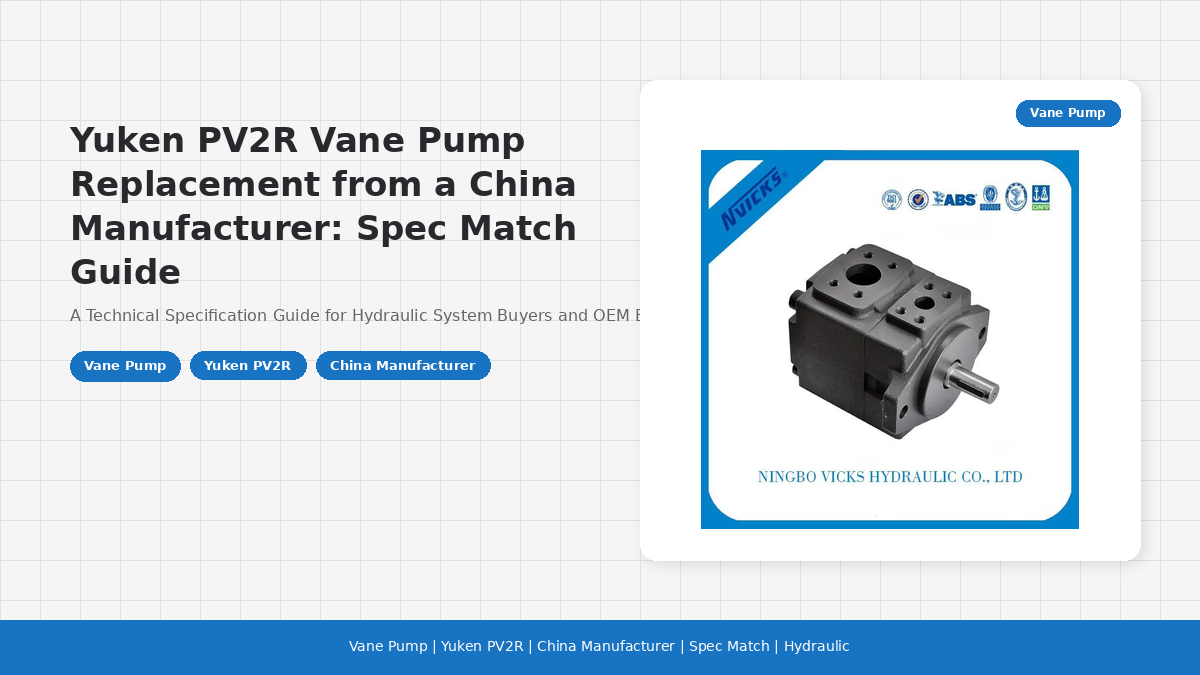
TL;DR — The Spec-Match Discipline Every position in the PV2R model code is significant. PV2R4-200-RAA-30 and PV2R4-200-RAB-30 are different pumps, because position 7 (B vs A) is a different shaft type. Decoding every position is the first step in any spec-match verification. Twelve parameters ...Read more »
-
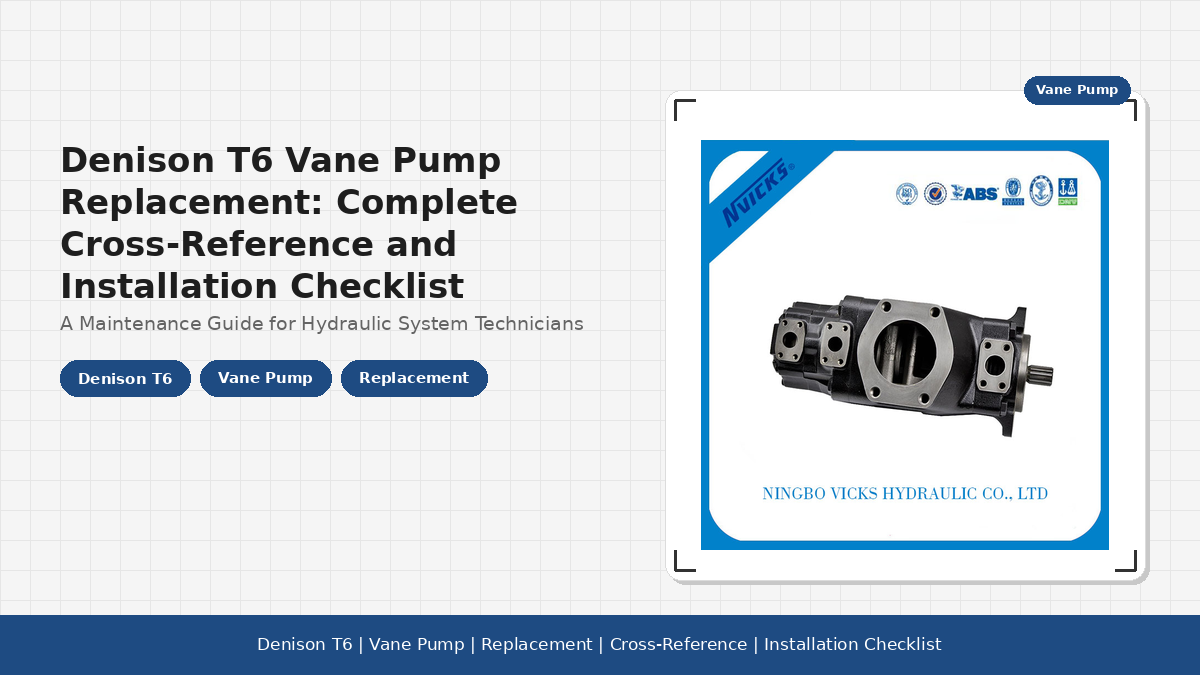
A maintenance engineer’s guide to the 11-character model code, the cross-reference table for T6C / T6D / T6E, and the mechanical + hydraulic installation procedure that prevents the four most common premature failures. Fig. 1 — Veljan-licensed T6C / T6D / T6E vane pump manufactured by Ning...Read more »
-
 How to Select a Custom Hydraulic Power Unit Manufacturer: From Spec Sheet to Factory Acceptance Test
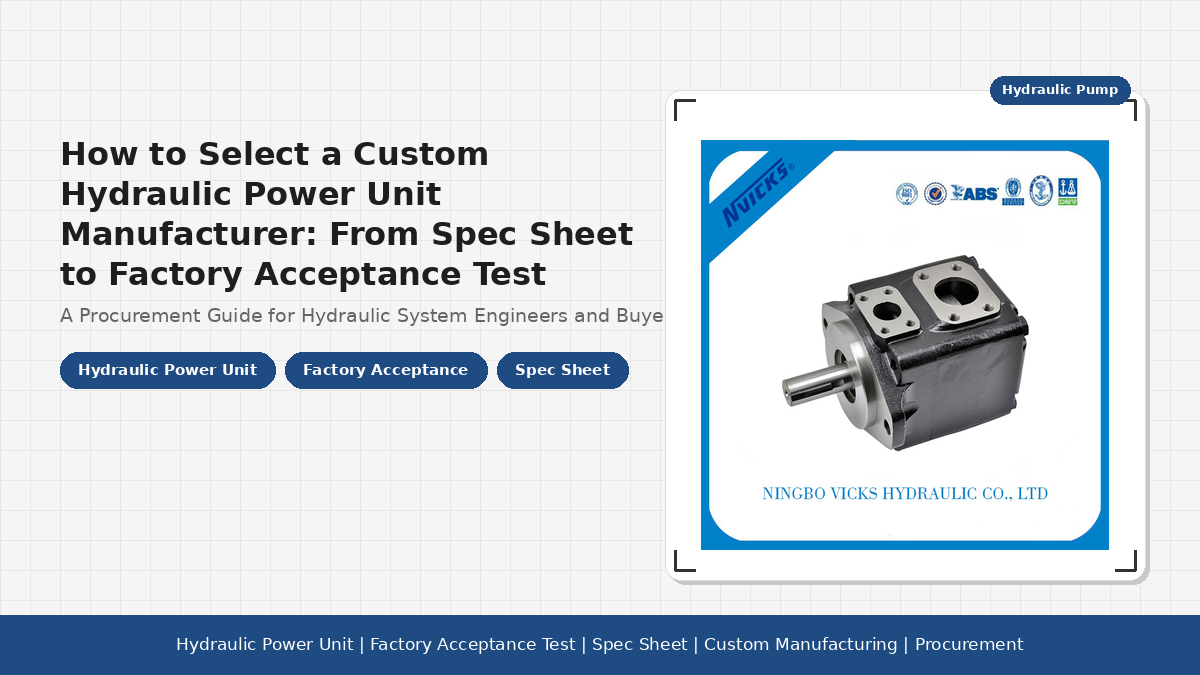
A practical guide for global procurement teams sourcing custom HPUs from China — covering specification sheets that work, FAT checklists that catch failures, and certifications that protect your investment. Fig. 1 — T6/T7 series vane pump manufactured by Ningbo Vicks Hydraulic. This is the cor...Read more »
-
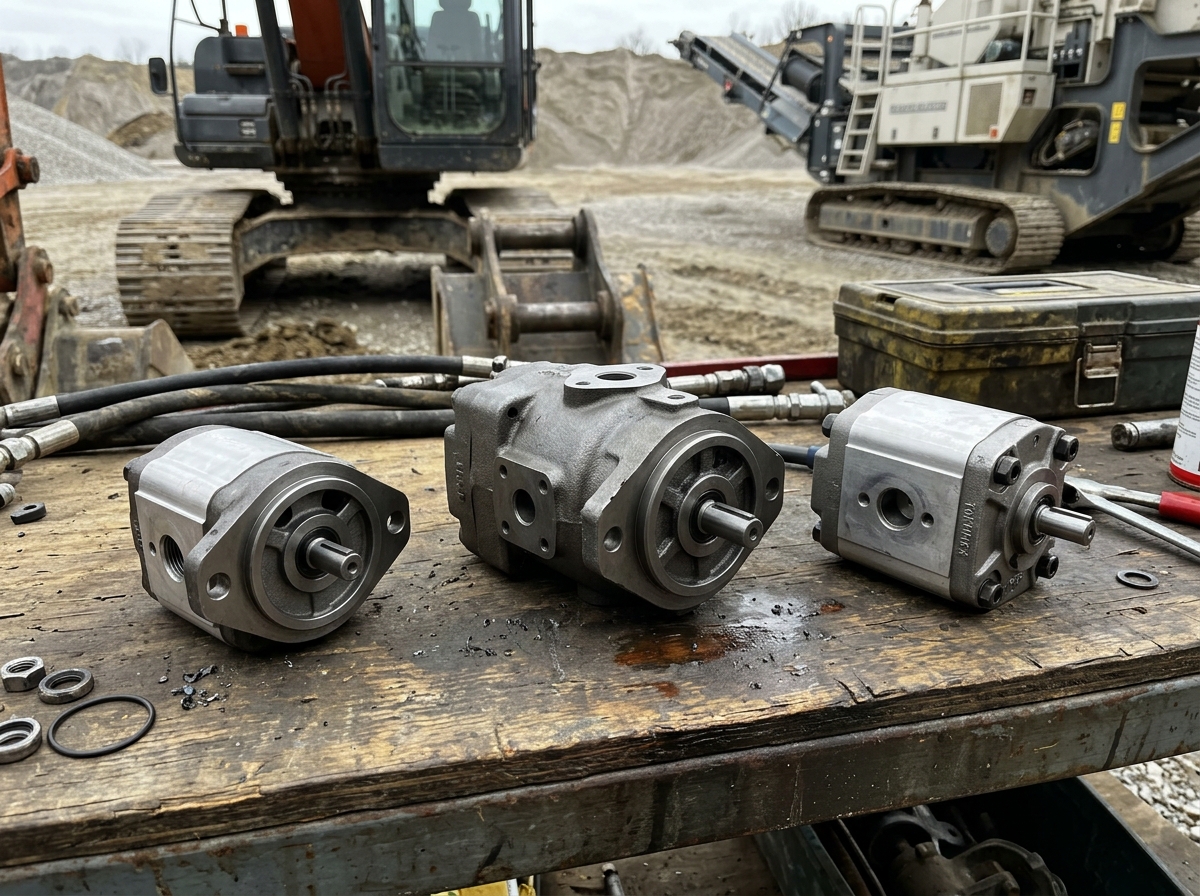
If you need a hydraulic gear pump supplier for an OEM hydraulic system, the best starting point is not price alone but compatibility, pressure range, duty cycle, and replacement risk. A qualified supplier should provide verified model matching, stable supply of critical parts, test data, and cle...Read more »
-
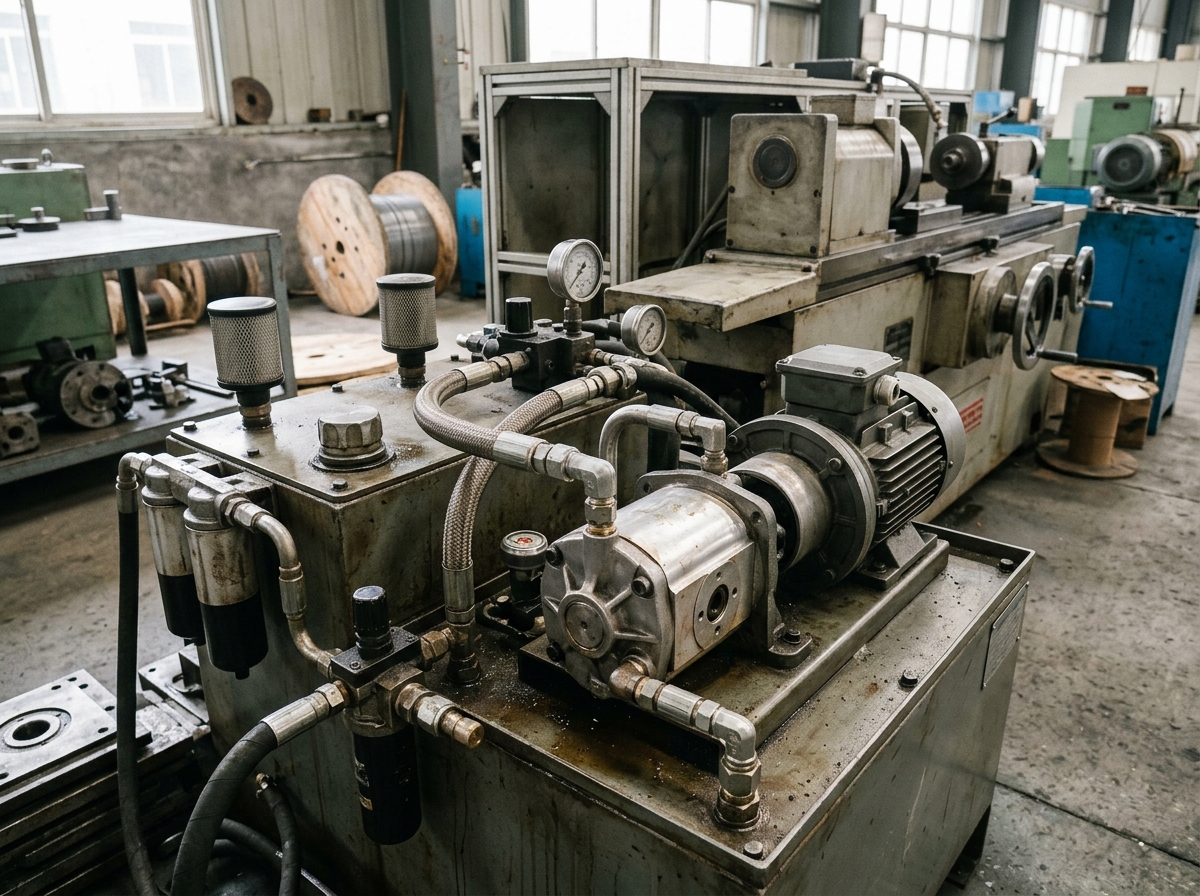
Choosing a hydraulic vane motor for high-speed industrial machinery starts with the duty cycle, pressure range, displacement, and lubrication conditions, not just the catalog size. For continuous high-speed service, the safest choices are usually industrial vane motor designs with stable volumet...Read more »
-
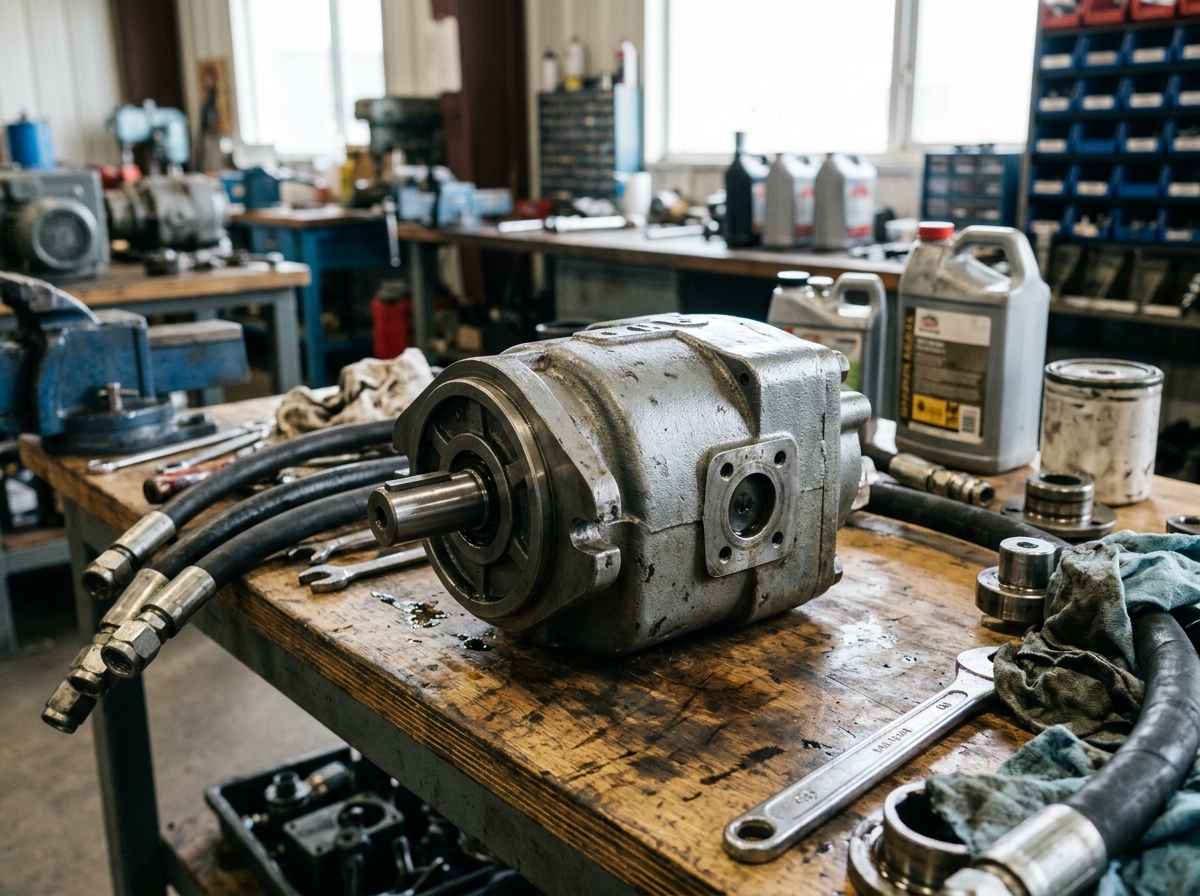
Before ordering a hydraulic vane motor, check the operating pressure range, displacement, shaft and port dimensions, speed limit, mounting pattern, duty cycle, and fluid compatibility. The most expensive ordering mistakes usually happen when a buyer matches only the catalog part number and ignor...Read more »
-
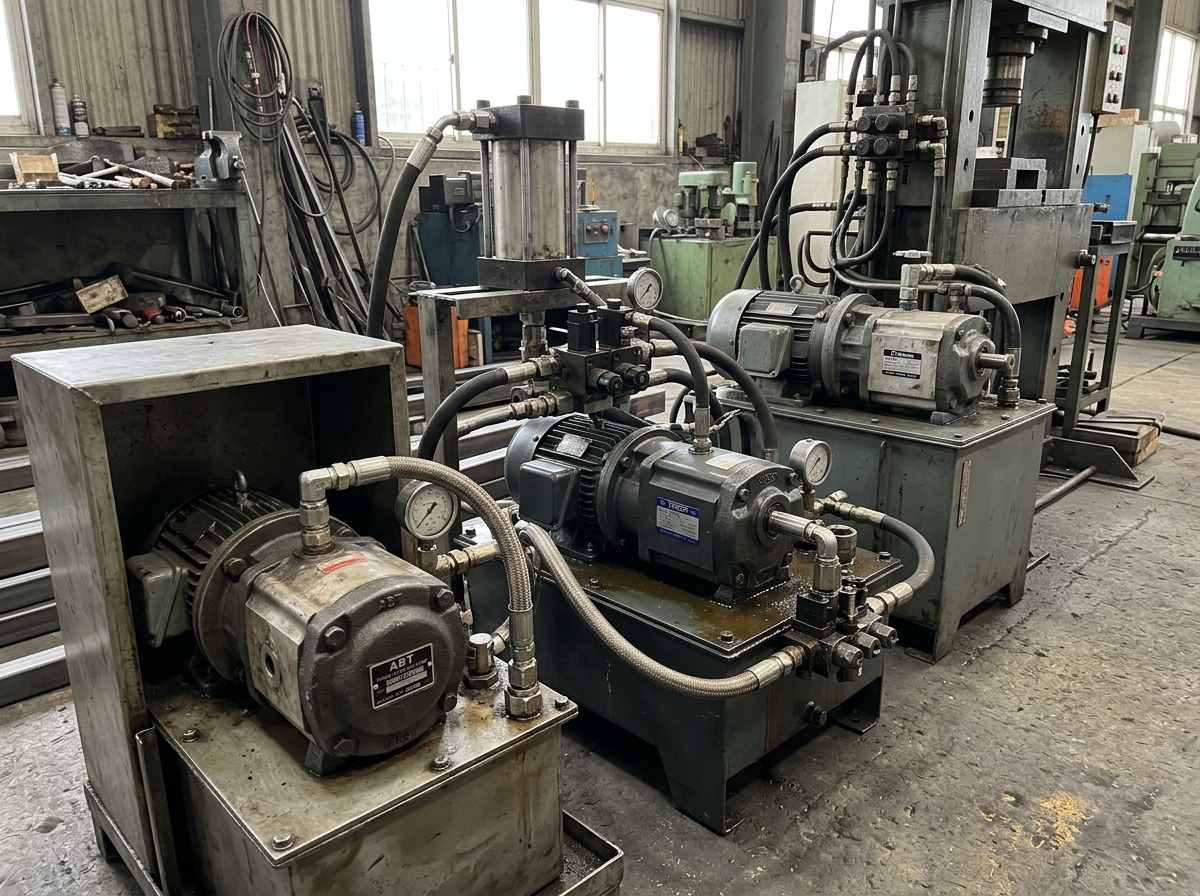
The best hydraulic gear pump for power pack applications is not a single model, but the pump that matches your required pressure, duty cycle, oil viscosity, noise target, mounting standard, and replacement compatibility. For compact hydraulic power unit designs, external gear pumps are often pre...Read more »
-
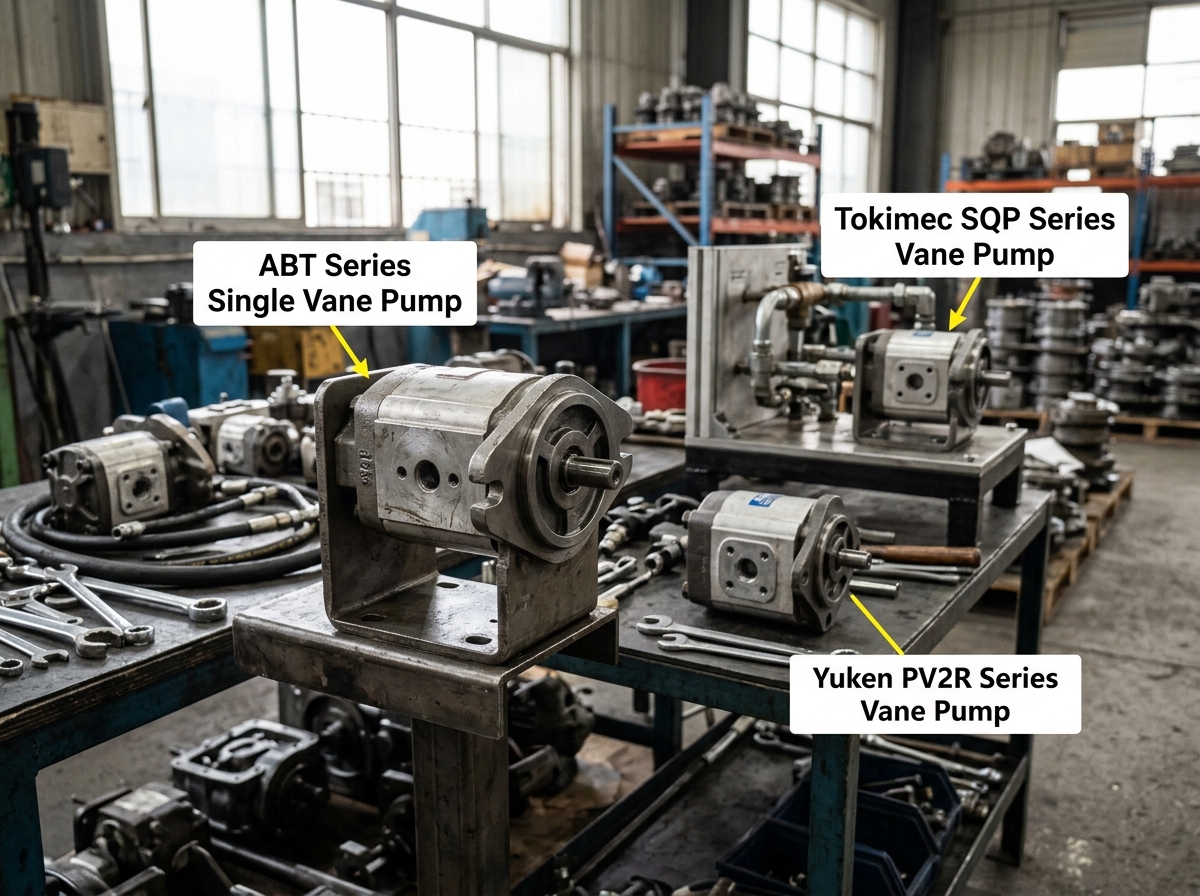
Hydraulic gear pump efficiency should be evaluated by comparing volumetric, mechanical, and overall efficiency under the same pressure, speed, and oil viscosity conditions you expect in service. For a buyer, the most useful question is not only “how efficient is the pump,” but “how much flow doe...Read more »
-
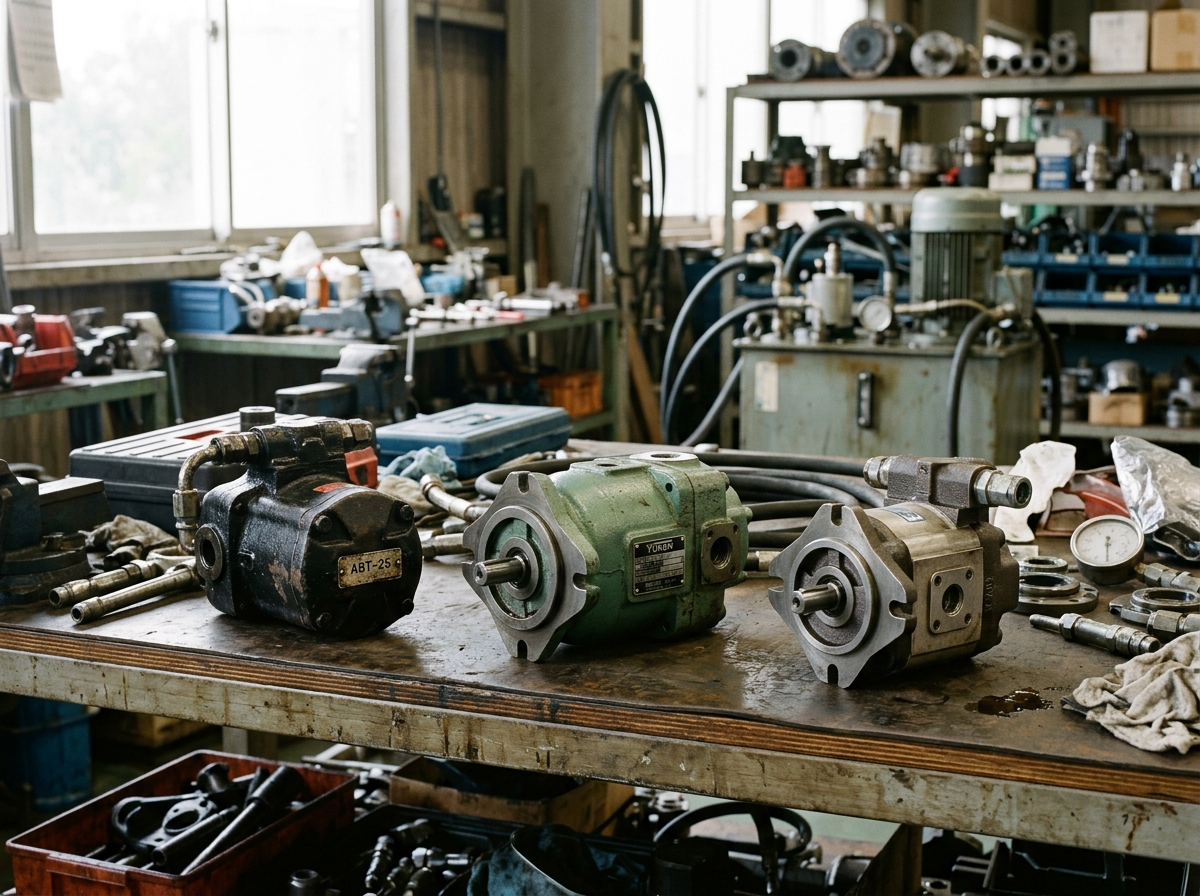
Hydraulic gear pump prices vary because manufacturers price more than the iron in the housing. The final cost is shaped by pressure rating, displacement accuracy, material grade, sealing design, noise control, testing depth, certification, and whether the pump is a standard catalog unit or a com...Read more »