-
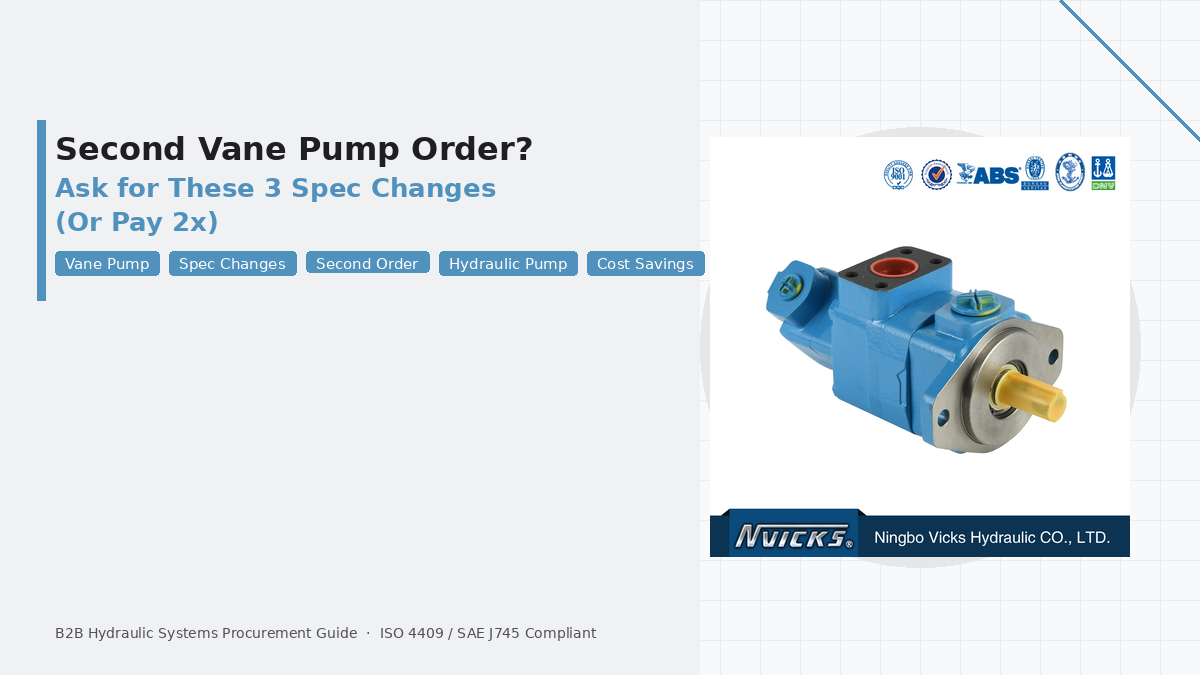
TL;DR. Your second vane pump order is the expensive one if you copy the first-order spec. Three changes typically save 30-60 percent of total cost of ownership over 24 months: (1) re-grade the fluid viscosity for actual operating temperature, (2) tighten return-line filtration, and (3) re-spec ...Read more »
-
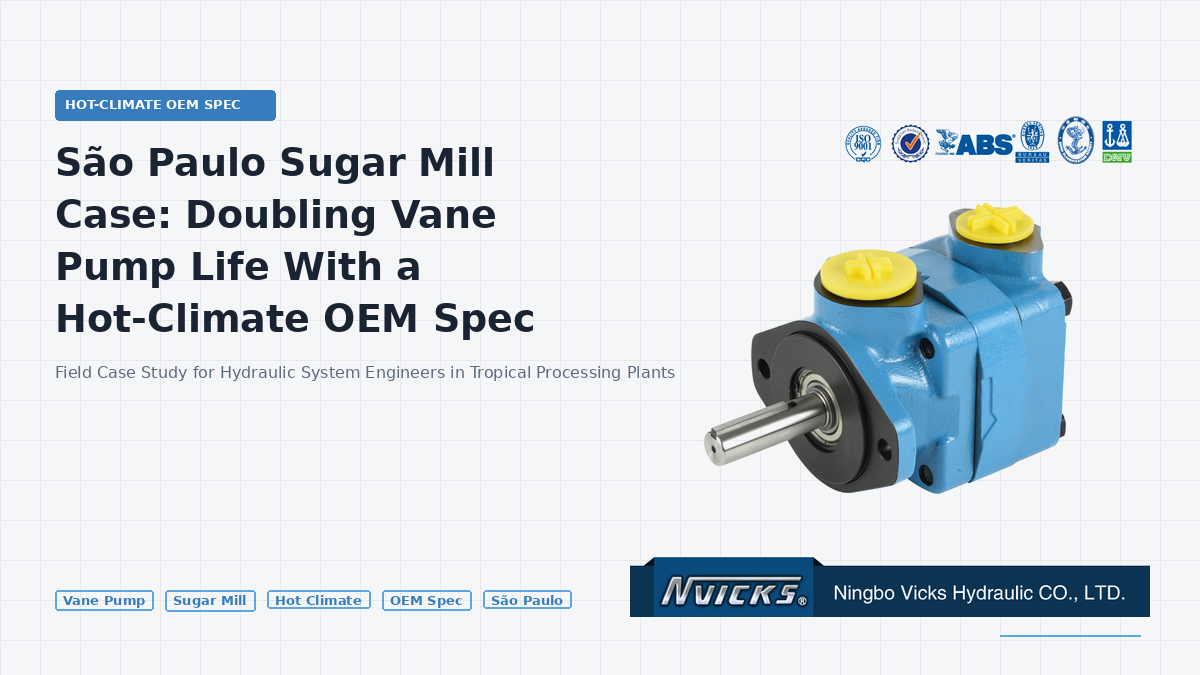
TL;DR. A São Paulo sugar mill was retiring vane pumps every 90 days. By changing three items on the OEM spec – reservoir-side fluid to a high-VI hydraulic oil rated for 50°C+ reservoir temperature, a 10-micron absolute return-line filter, and a Vickers V series cartridge swap – the ...Read more »
-
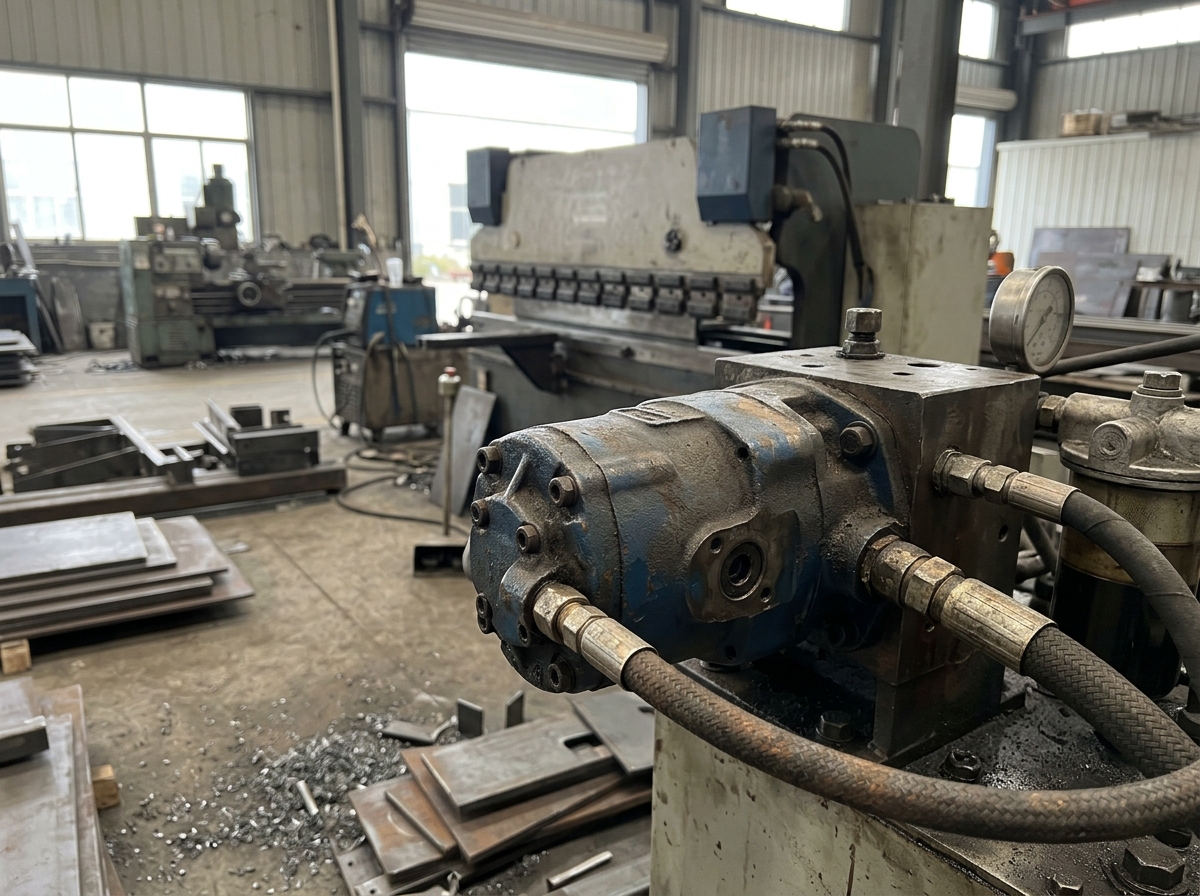
The service life of an industrial hydraulic vane motor is determined less by one single factor than by the combined effect of pressure loading, fluid cleanliness, temperature control, shaft and bearing alignment, duty cycle, and maintenance discipline. In practical terms, a vane motor that runs ...Read more »
-
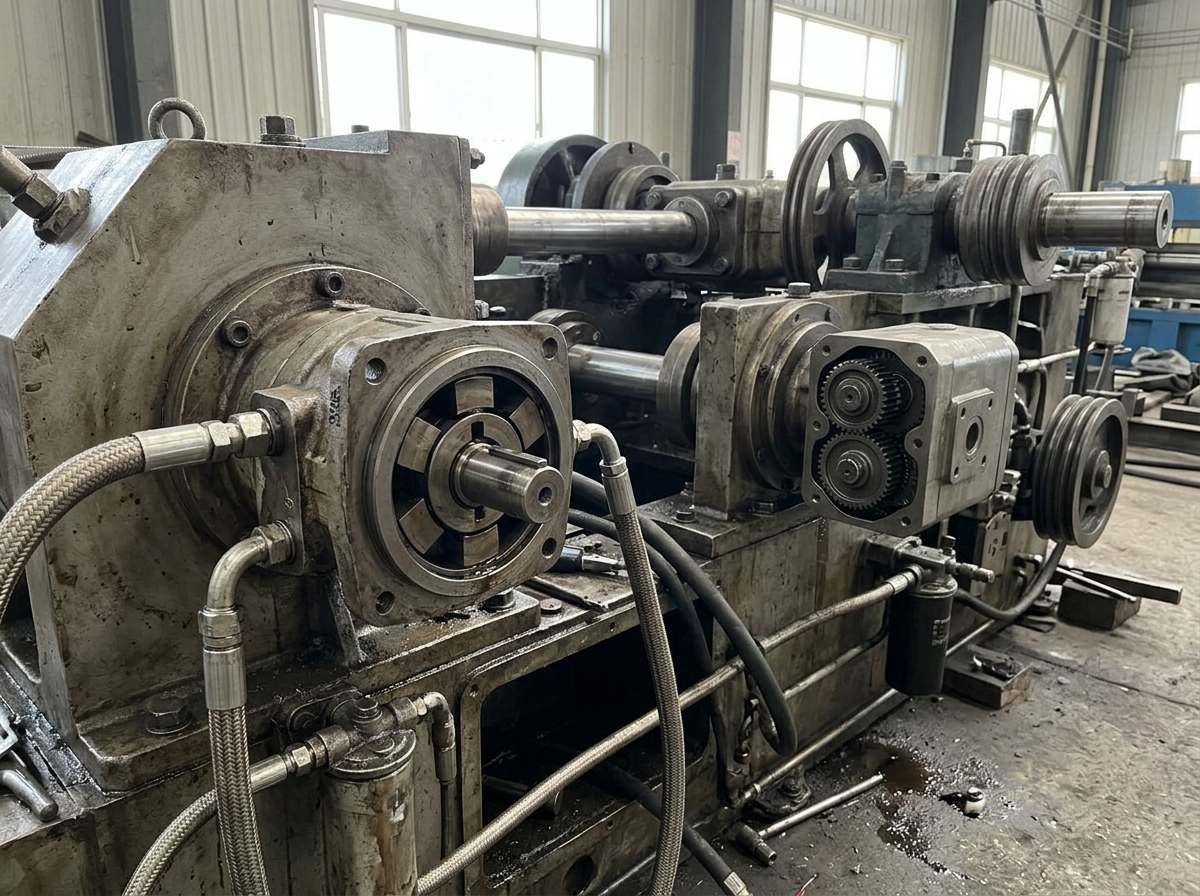
When comparing a hydraulic vane motor and a gear motor for industrial machinery, the better choice depends on the duty cycle, noise target, pressure range, and control needs. A hydraulic vane motor is usually the stronger option when you need smoother torque, lower pulsation, and better speed st...Read more »
-
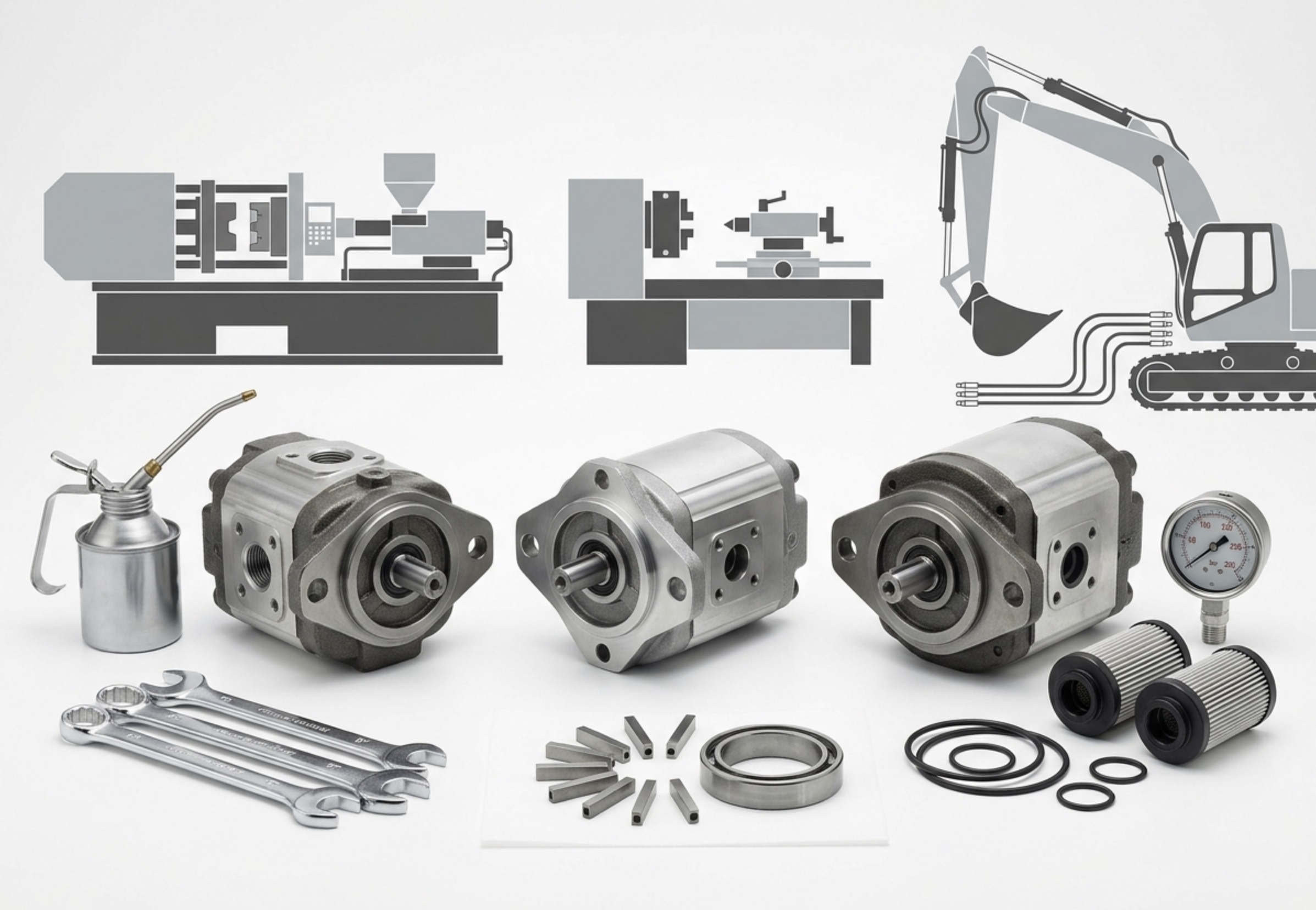
Hydraulic pump maintenance reduces operating costs by preventing energy loss, unplanned downtime, and premature component wear. In industrial hydraulic systems, a small loss in volumetric efficiency, internal leakage, or contamination control can quickly raise power consumption and shorten pump ...Read more »
-
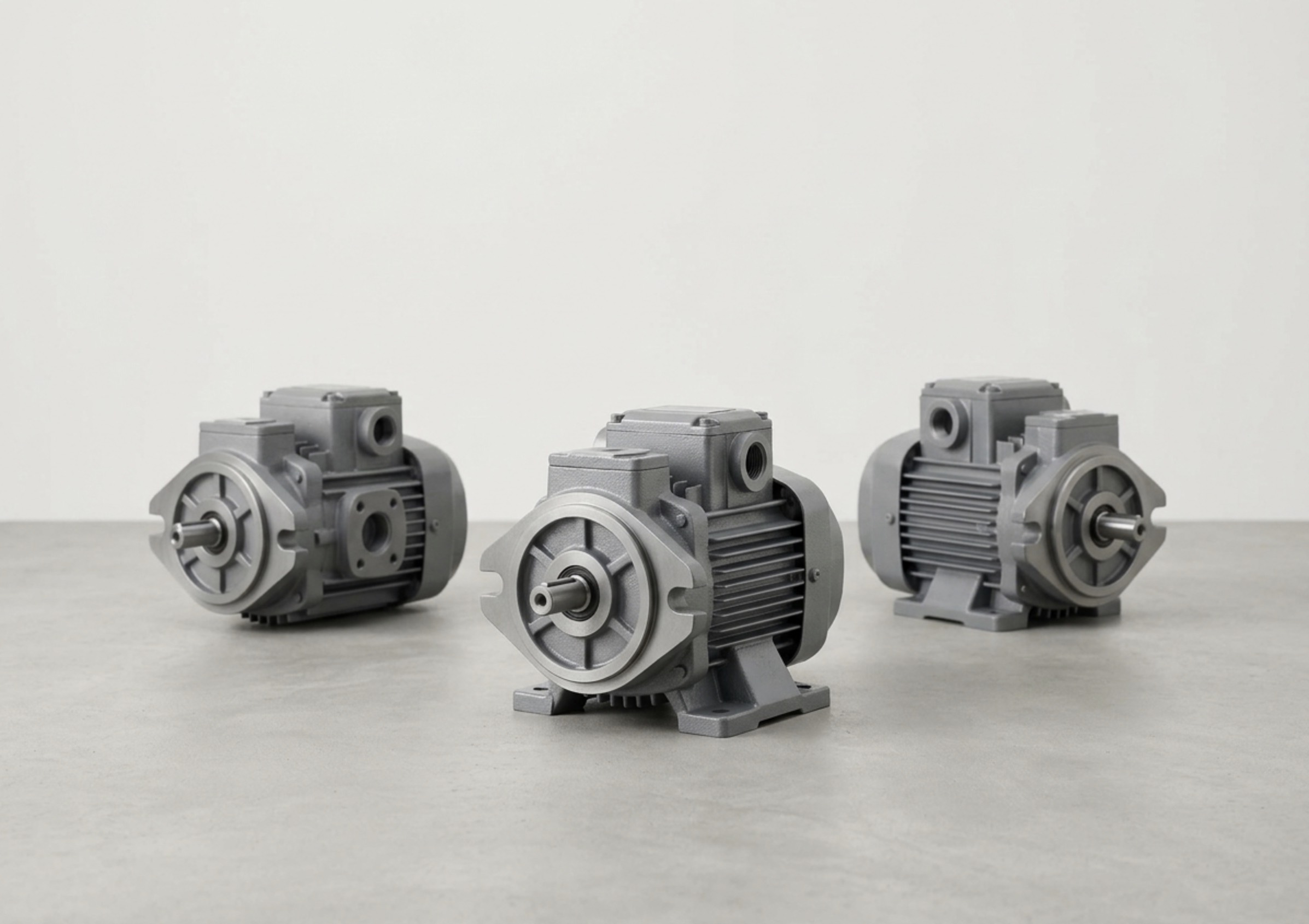
When evaluating a vane pump manufacturer in China for 2026 sourcing, the most important checks are product compatibility, pressure and efficiency capability, quality validation, supply continuity, and technical support. For buyers replacing imported pumps or standardizing OEM platforms, the real...Read more »
-
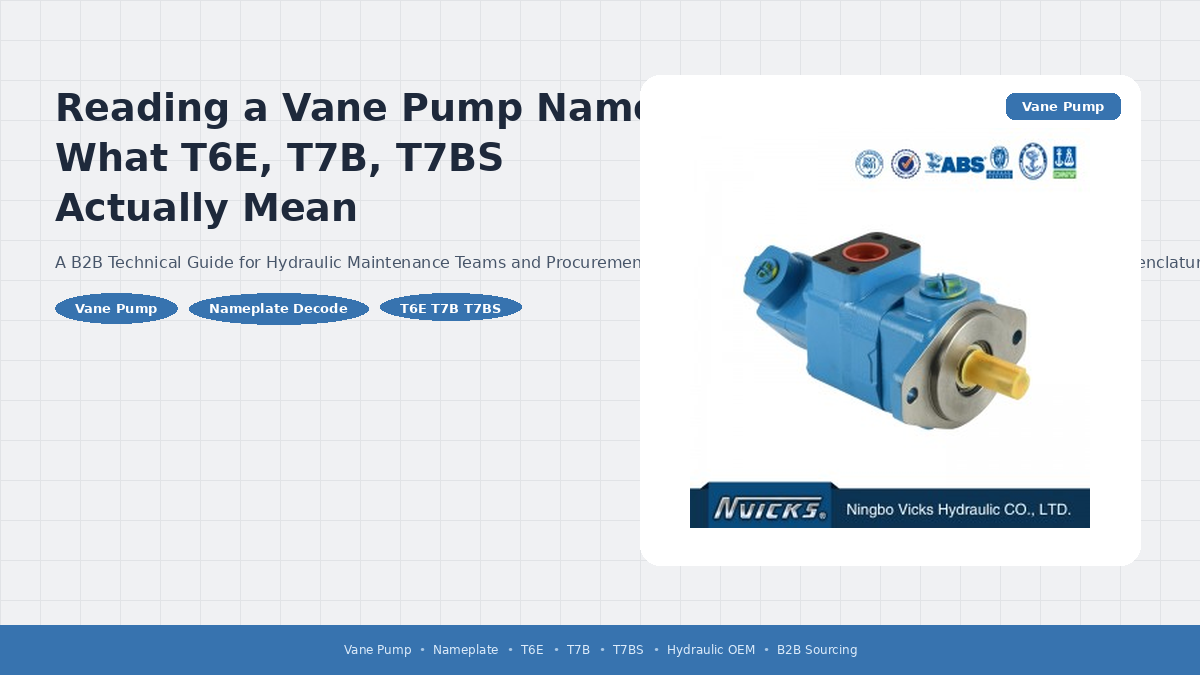
TL;DR — What hydraulic pump procurement managers need to know in 60 secondsA vane pump model code has 4 segments: Series (T6 / T7 / V / VQ / V10 / V20 / SQP / PV2R) / Type (single vs double) / Displacement (cc/rev) / Shaft + Porting (suffix letters). T6E decodes as T6 series + through-drive rea...Read more »
-
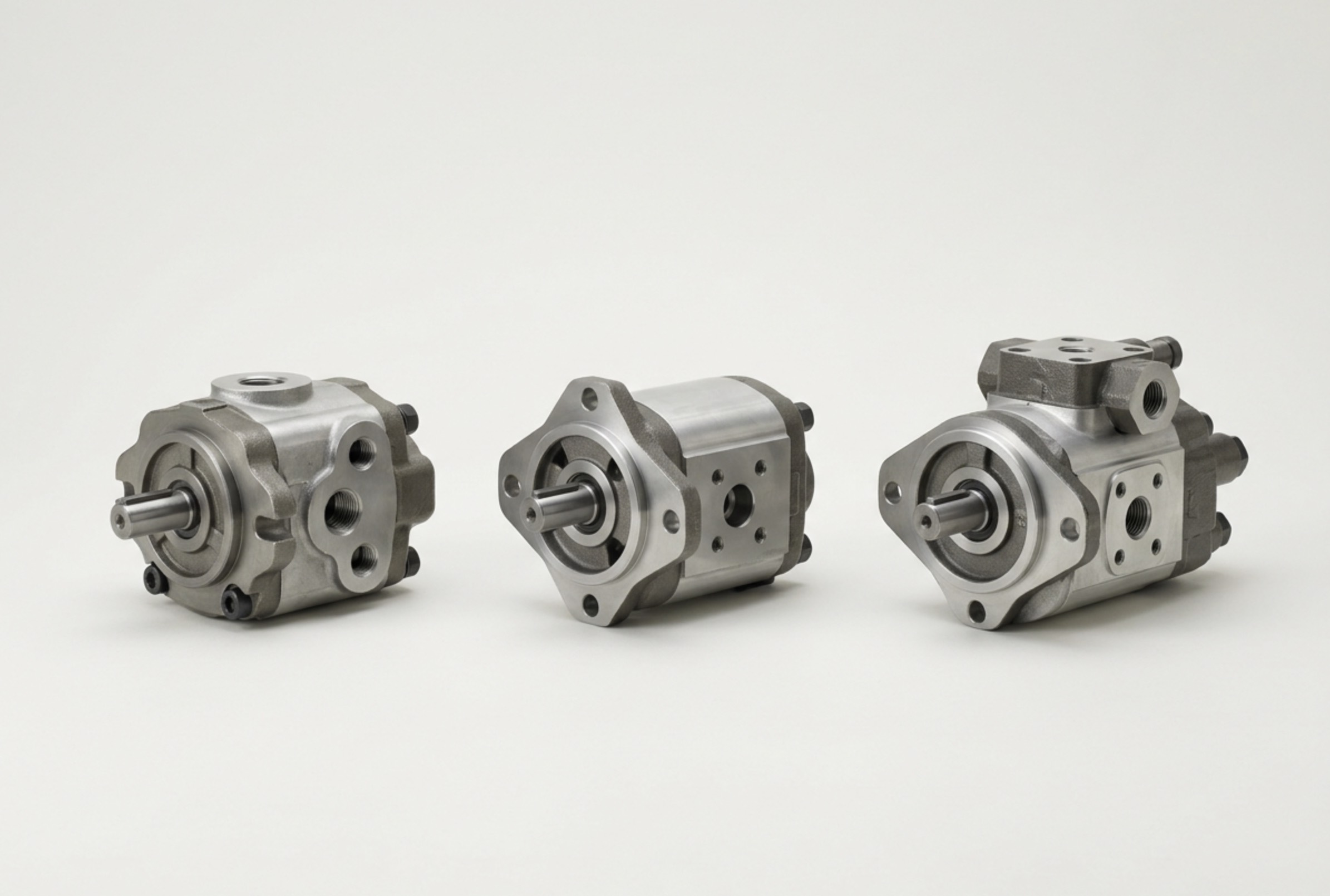
Reducing purchasing risk when buying hydraulic pumps starts with verifying three things: dimensional compatibility, performance consistency, and supplier support. For buyers replacing an existing pump, the safest path is to match mounting flange, shaft, porting, displacement, and pressure rating...Read more »
-
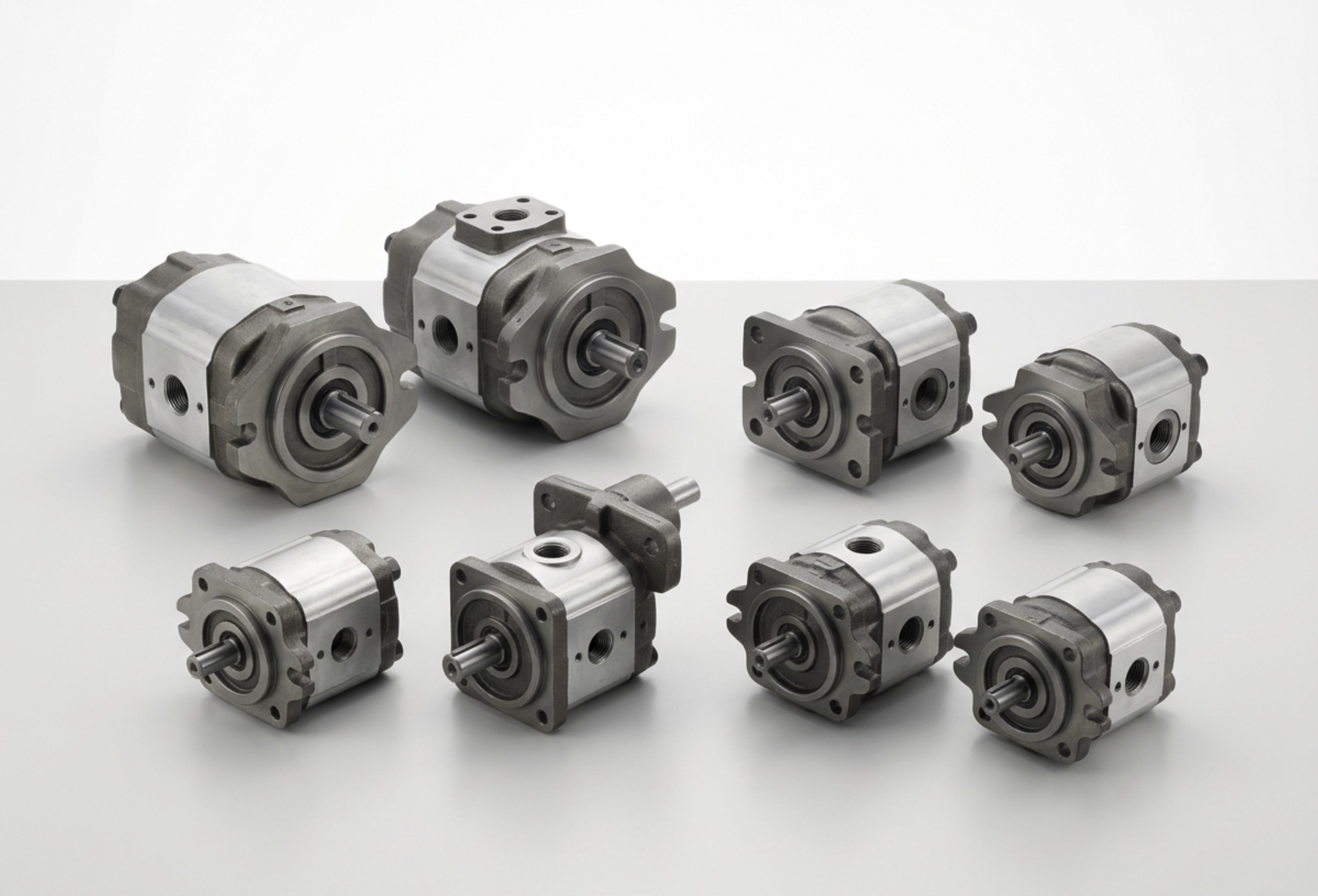
Choosing a hydraulic pump manufacturer for global equipment sourcing is mainly about compatibility, supply continuity, and application fit, not just catalog price. The best supplier can prove interchangeability with legacy models, document pressure and displacement ranges, support system-level m...Read more »
-
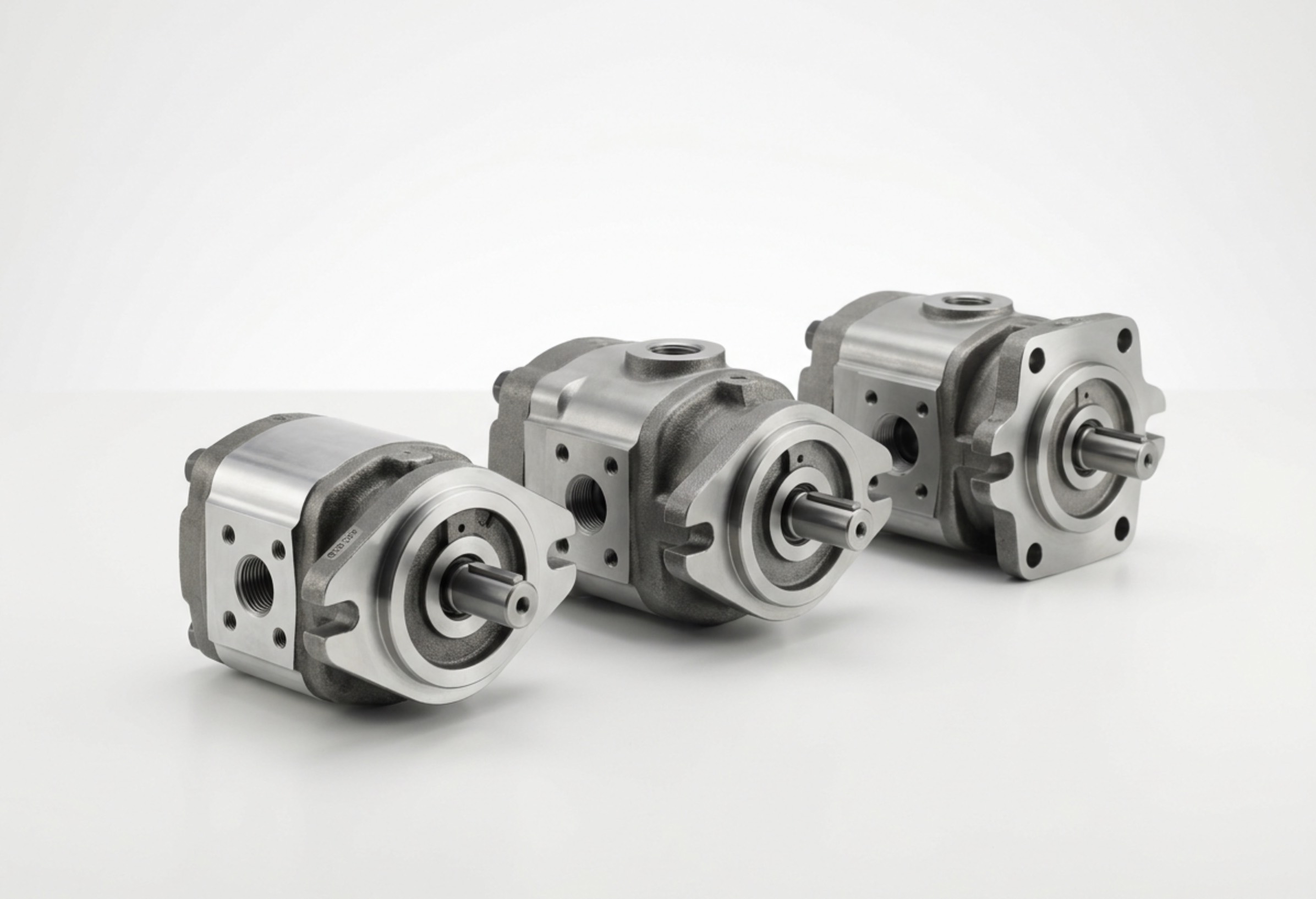
Hydraulic pump performance affects equipment productivity in a direct, measurable way: flow stability controls cycle speed, pressure capability determines usable force, and volumetric efficiency influences how much input power is lost as heat. In practical terms, a pump that maintains stable flo...Read more »
-
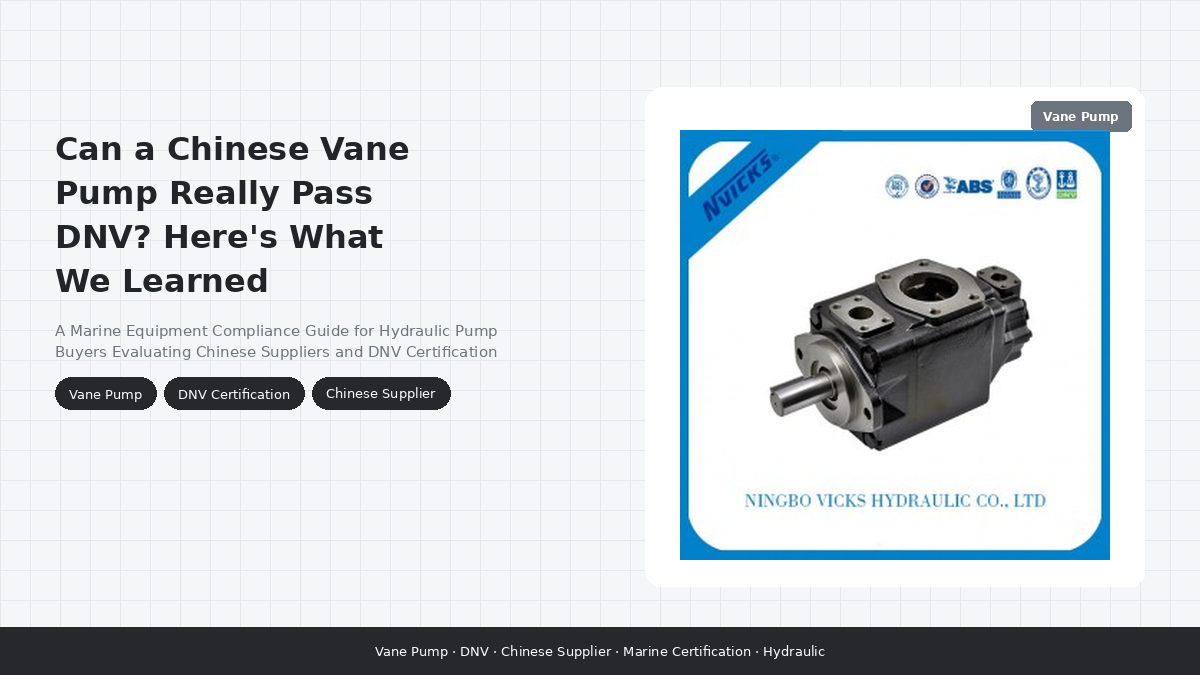
5 IACS classification society certifications (CCS / DNV / ABS / BV / LR) for marine vane pumps — type approval vs shop approval, 4-step verification flow, 5 claim pitfalls, and 3 buyer scenarios where certification decides the vendor. Reading time: ~13 minAudience: Marine and offshore hydr...Read more »
-
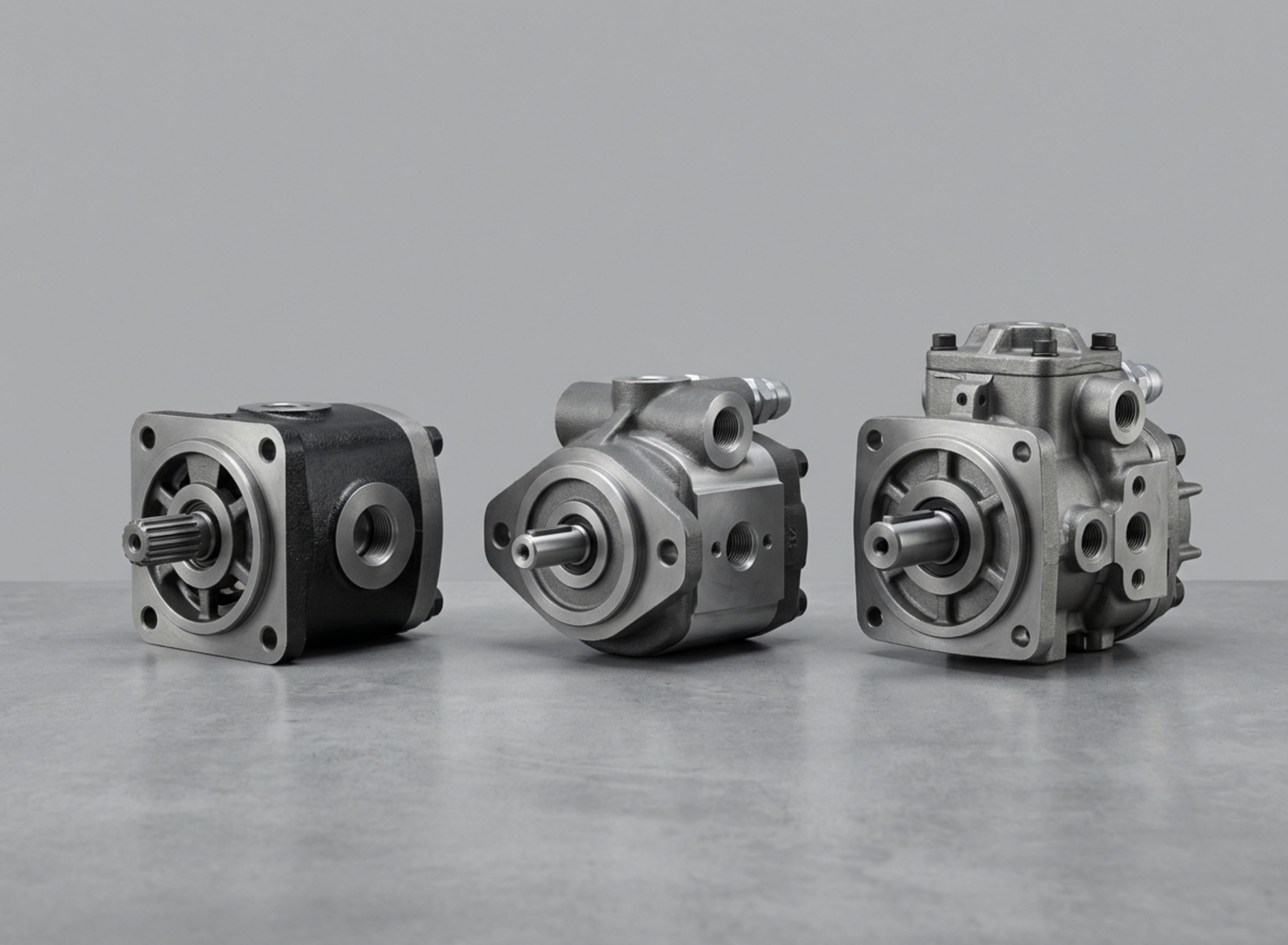
A professional hydraulic vane pump manufacturer is not the one with the largest catalog; it is the one that can prove compatibility, stable delivery, and application fit. For industrial projects, the best choice is a supplier that offers series-based product matching, replacement support for leg...Read more »