-
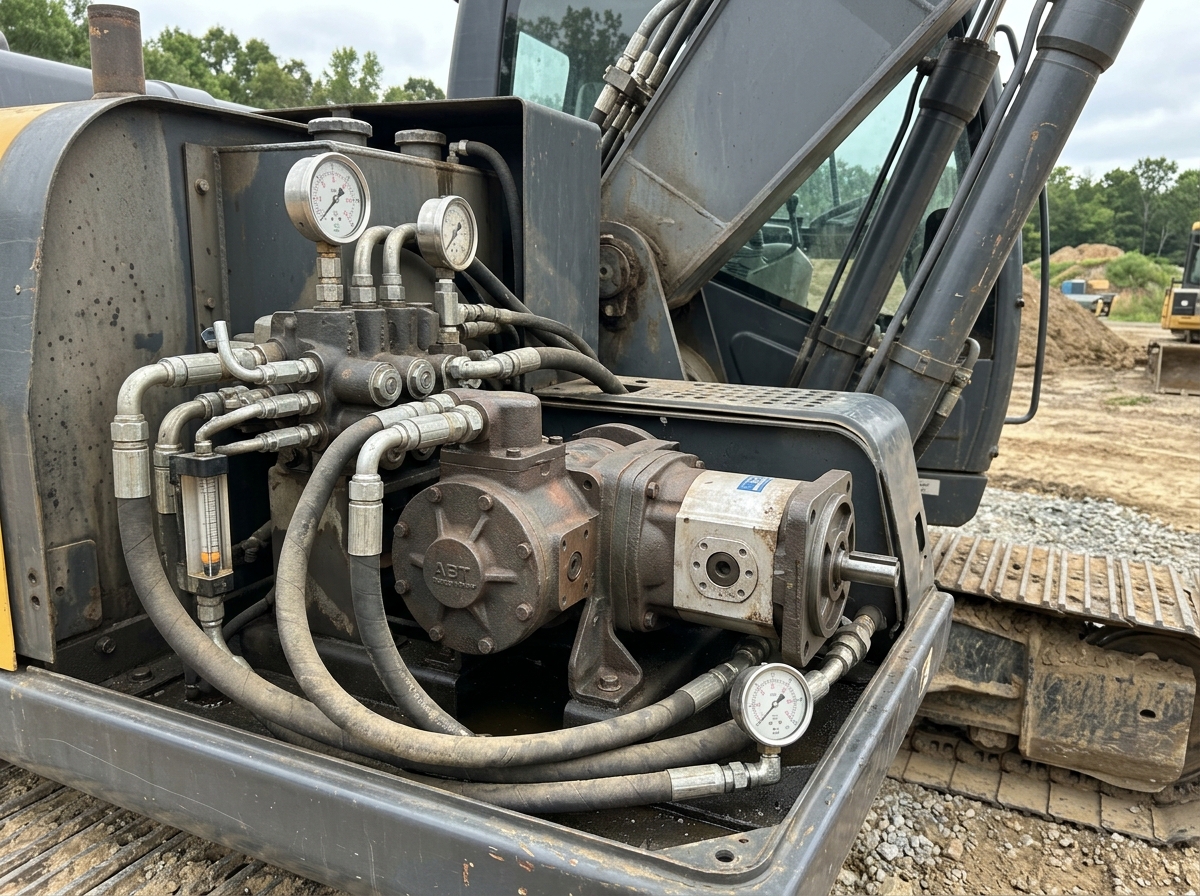
Match a hydraulic pump to your machine by calculating required flow from actuator speed and selecting pressure from the highest real load, not the pump label alone. Then check displacement, drive speed, efficiency, relief-valve settings, oil viscosity, heat rejection, and duty cycle. A correctly...Read more »
-
Cross-reference the original part number, then rebuild the cartridge kit to the same spec — the bench workflow for T6C, T6D and T6E aftermarket distributors. TL;DR T6C, T6D and T6E share the same Denison cartridge-kit architecture (rotor + cam ring + vanes + pressure plate + balance plate) ...Read more »
-
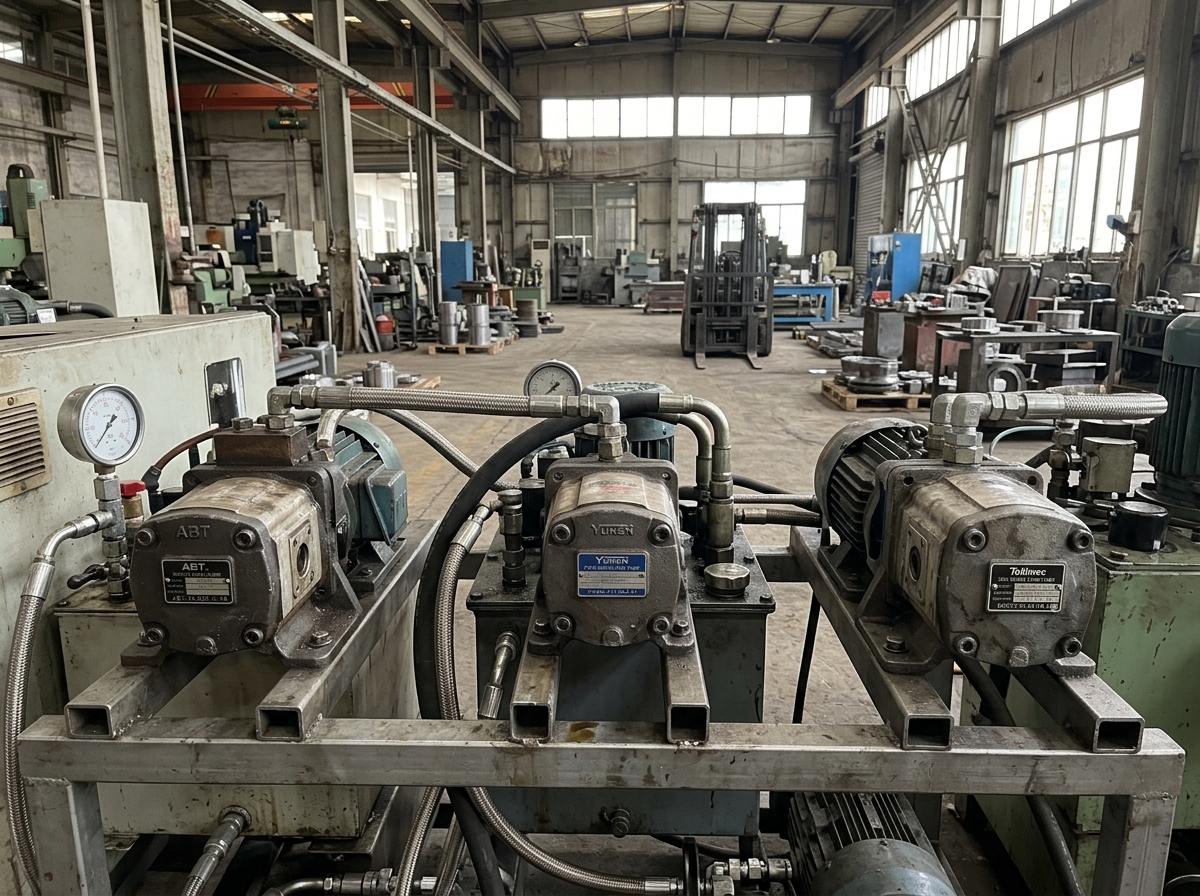
The right hydraulic vane pump depends on required flow, operating pressure, speed, fluid condition, duty cycle, noise limits, mounting dimensions, and replacement compatibility. Start with the machine’s actual pressure and flow demand, then verify displacement, shaft rotation, port geometry, con...Read more »
-
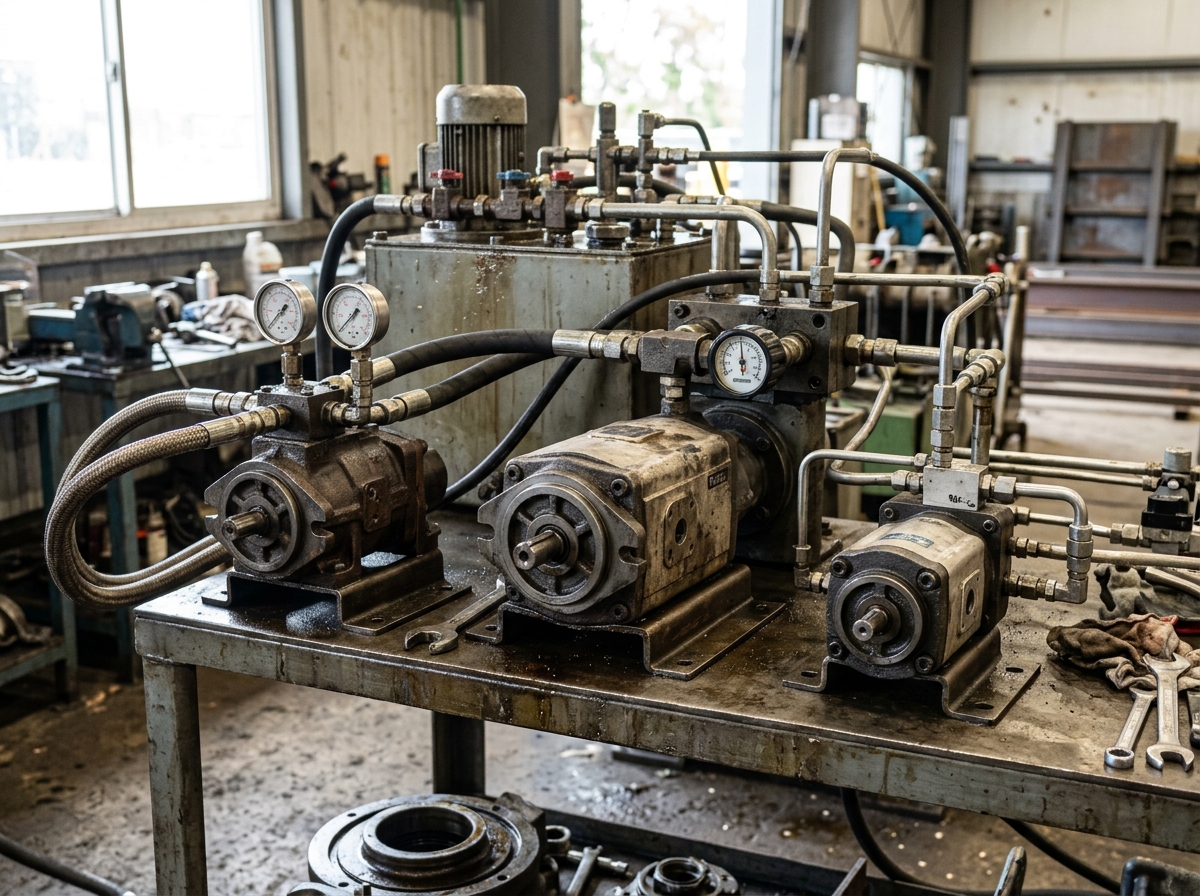
Select hydraulic vane pump displacement by matching required flow at operating speed, then verify that the pump can sustain the required pressure, duty cycle, speed range, and inlet conditions. Use the displacement formula with volumetric efficiency, reserve reasonable capacity without oversizin...Read more »
-
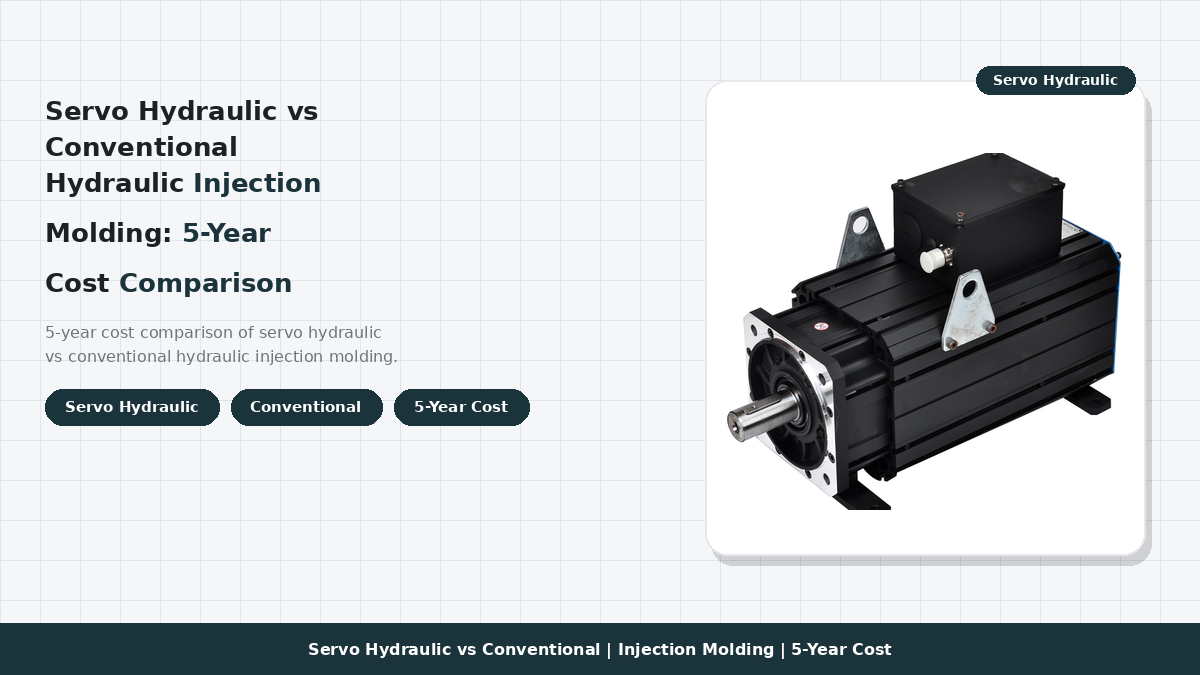
TL;DR A servo-hydraulic injection molding machine consumes roughly 40–80 % less energy than a conventional fixed-pump hydraulic press on the same parts and cycle time, depending on shot size, hold profile, and idle ratio. The servo premium (the gap between servo and conventional machine pu...Read more »
-
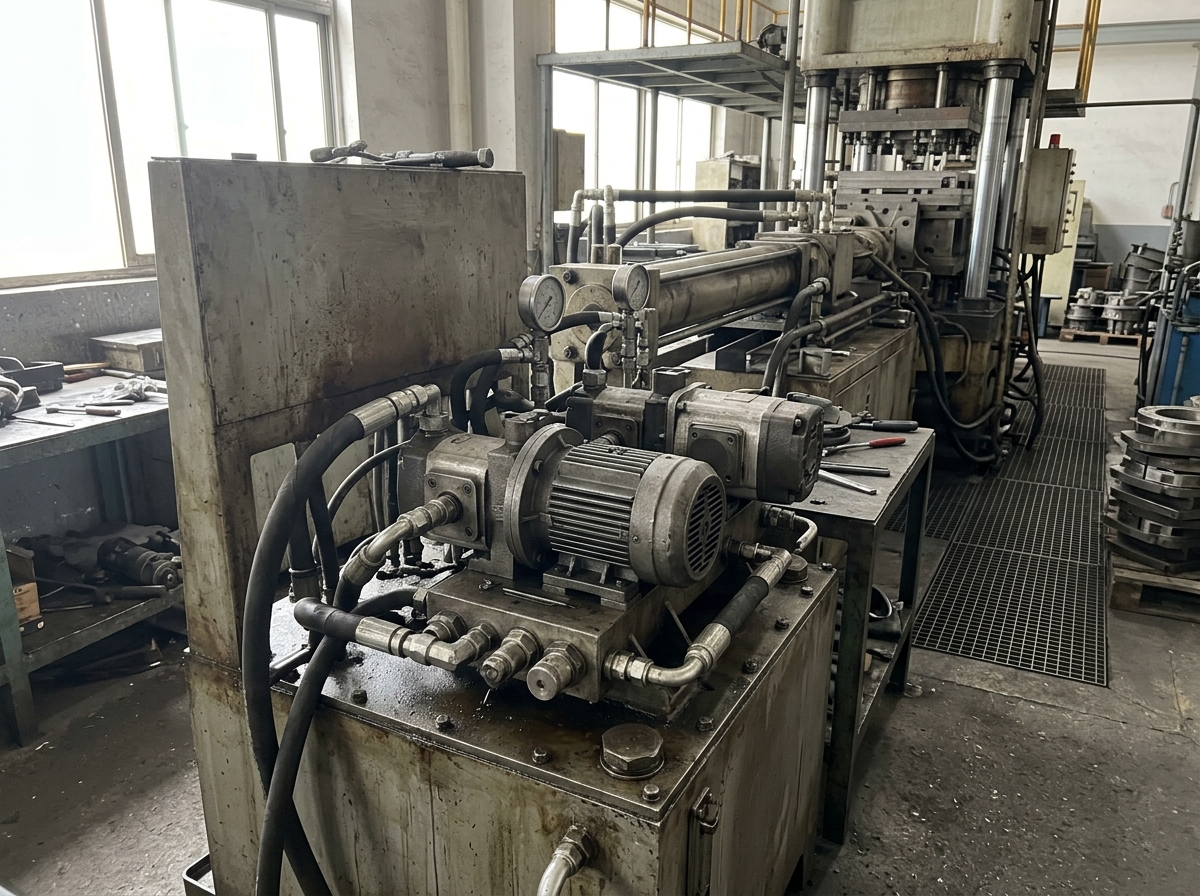
Global buyers should evaluate a hydraulic servo system manufacturer by checking system compatibility, control accuracy, energy-saving performance, certification quality, spare-parts support, and delivery reliability. For OEM hydraulic system projects, the real question is not only whether the su...Read more »
-
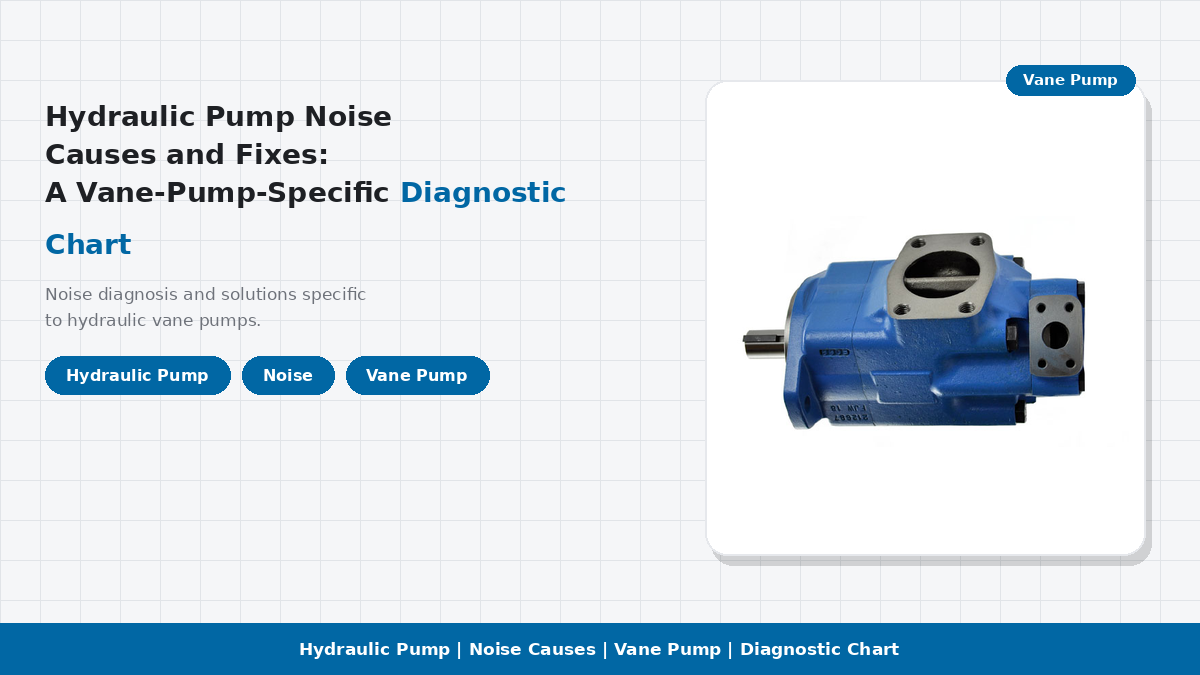
Quick answer: Hydraulic pump noise in a vane pump is one of five recognizable types — continuous whine, pulsating whine, knocking, high-frequency squeal, or hissing — and the Vickers VQ series intra-vane pump noise problem is almost always one of seven root causes: air ingress (~35% of complaint...Read more »
-
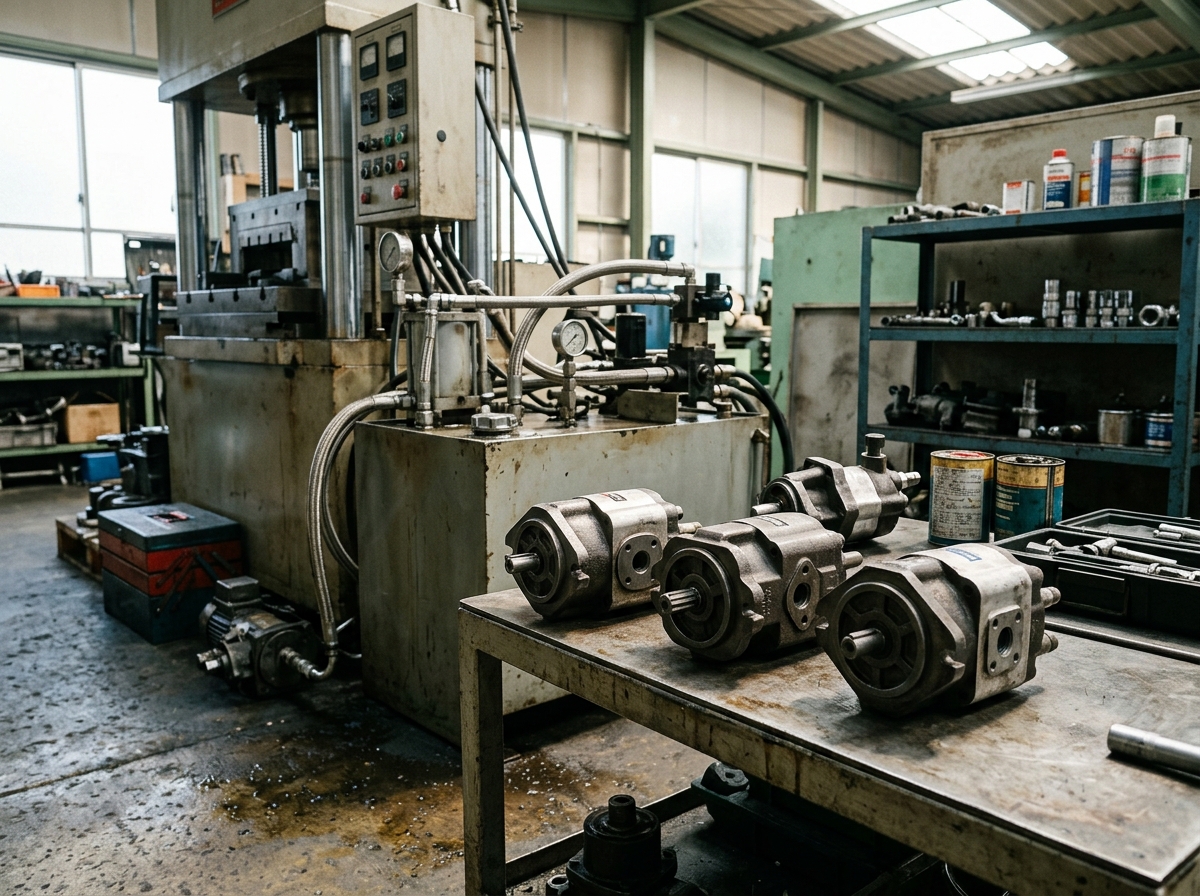
If you need a hydraulic servo system supplier for OEM machinery, the best choice is a manufacturer that can do more than ship parts: it should provide system matching, stable compatibility with legacy platforms, documented quality control, and fast support for replacement and commissioning. For ...Read more »
-
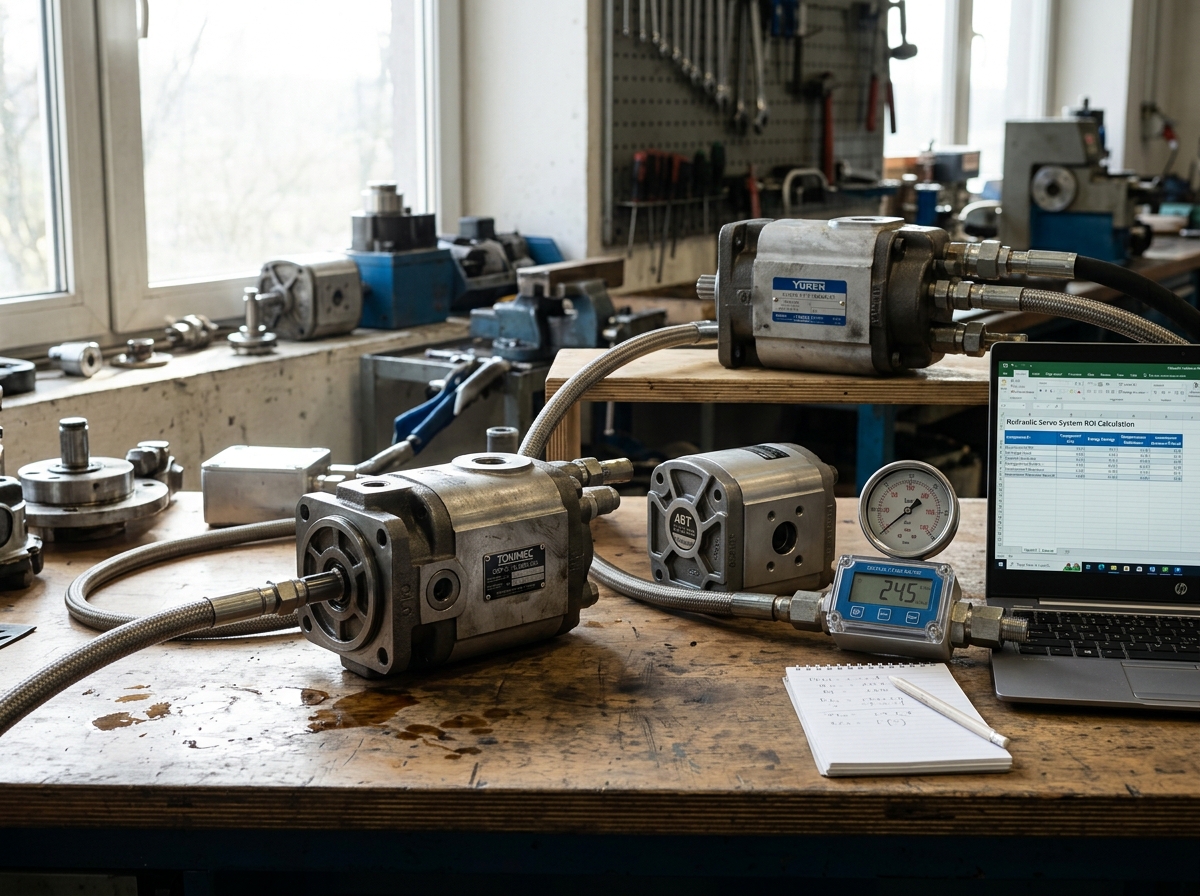
The most reliable way to calculate hydraulic servo system ROI before installation is to compare verified baseline losses against the new system’s expected energy use, maintenance burden, and throughput impact over the same operating window. Start with annual electricity cost, then add avoided do...Read more »
-
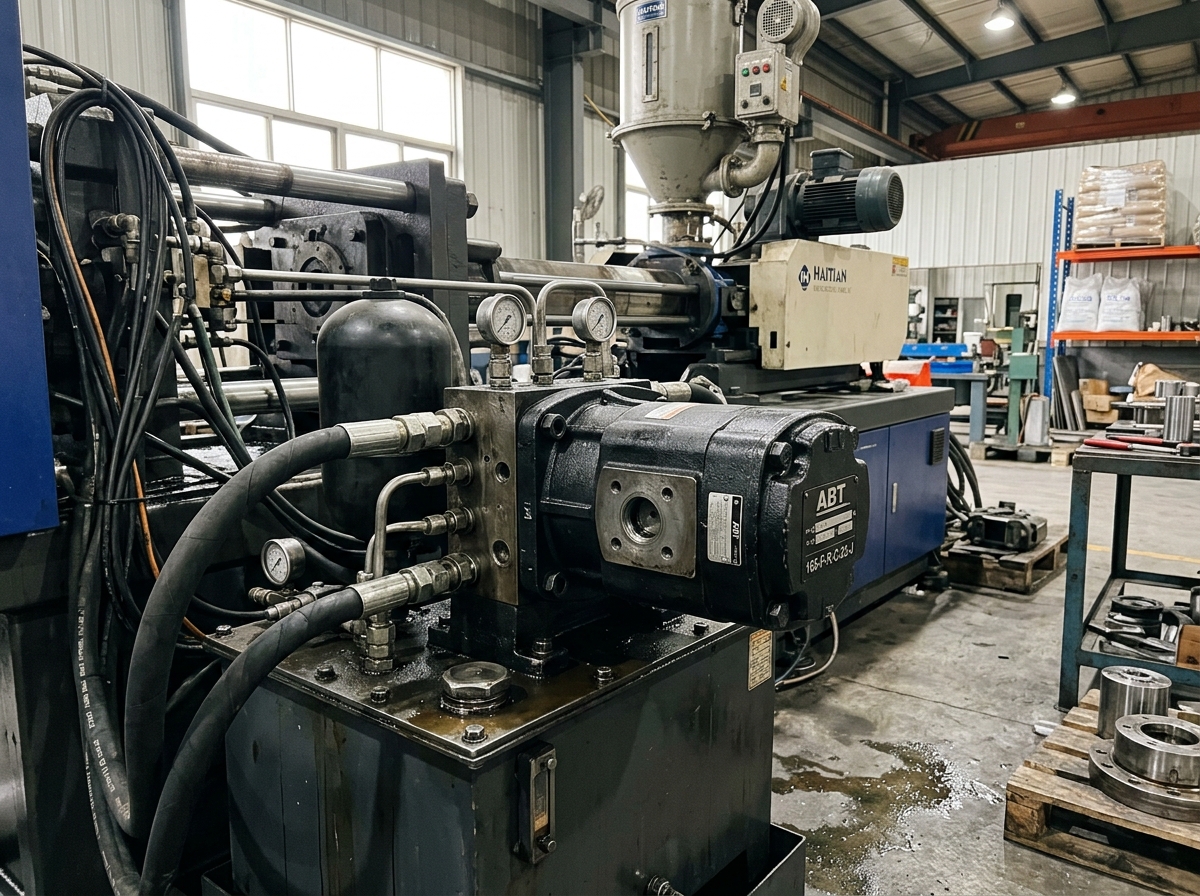
A hydraulic servo system can save substantial energy in injection molding applications because it replaces constant-speed throttling with demand-based flow and pressure control. In practice, well-tuned servo-hydraulic machines often reduce hydraulic power consumption by about 20% to 80% versus c...Read more »
-
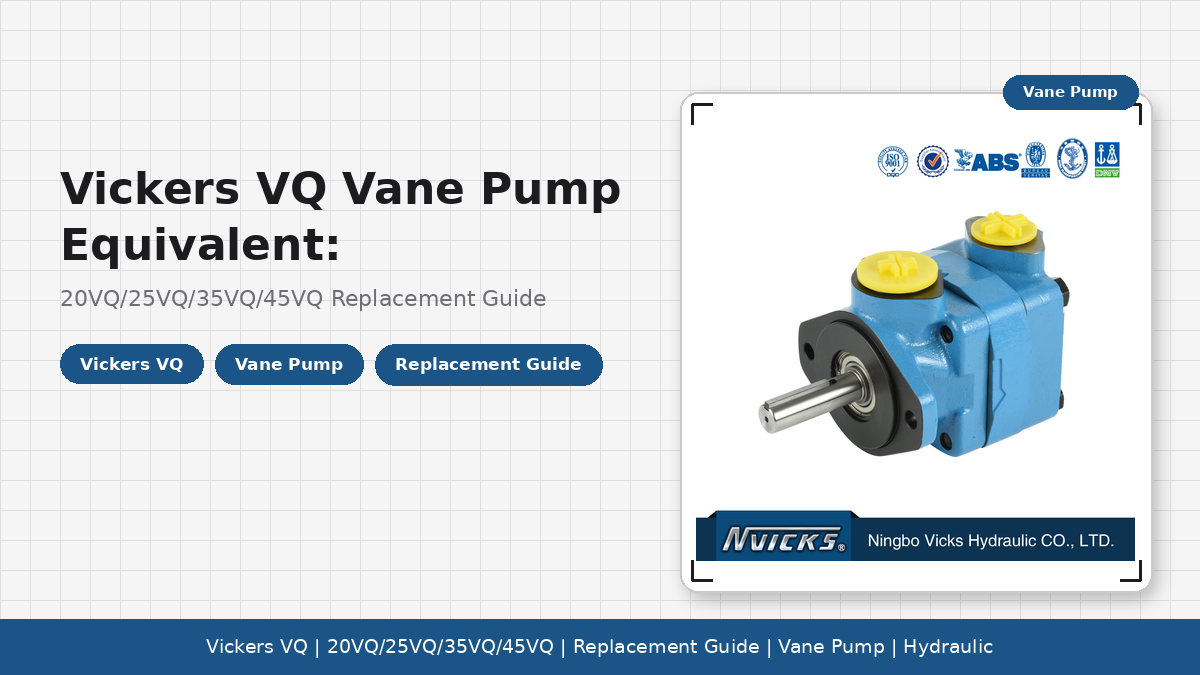
Eaton Vickers VQ single vane pumps — the 20VQ, 25VQ, 35VQ, and 45VQ series — have been a workhorse of industrial hydraulic systems since the 1970s. These fixed-displacement, single-stage vane pumps are found in machine tools, plastic injection presses, marine steering systems, mobile constructi...Read more »
-
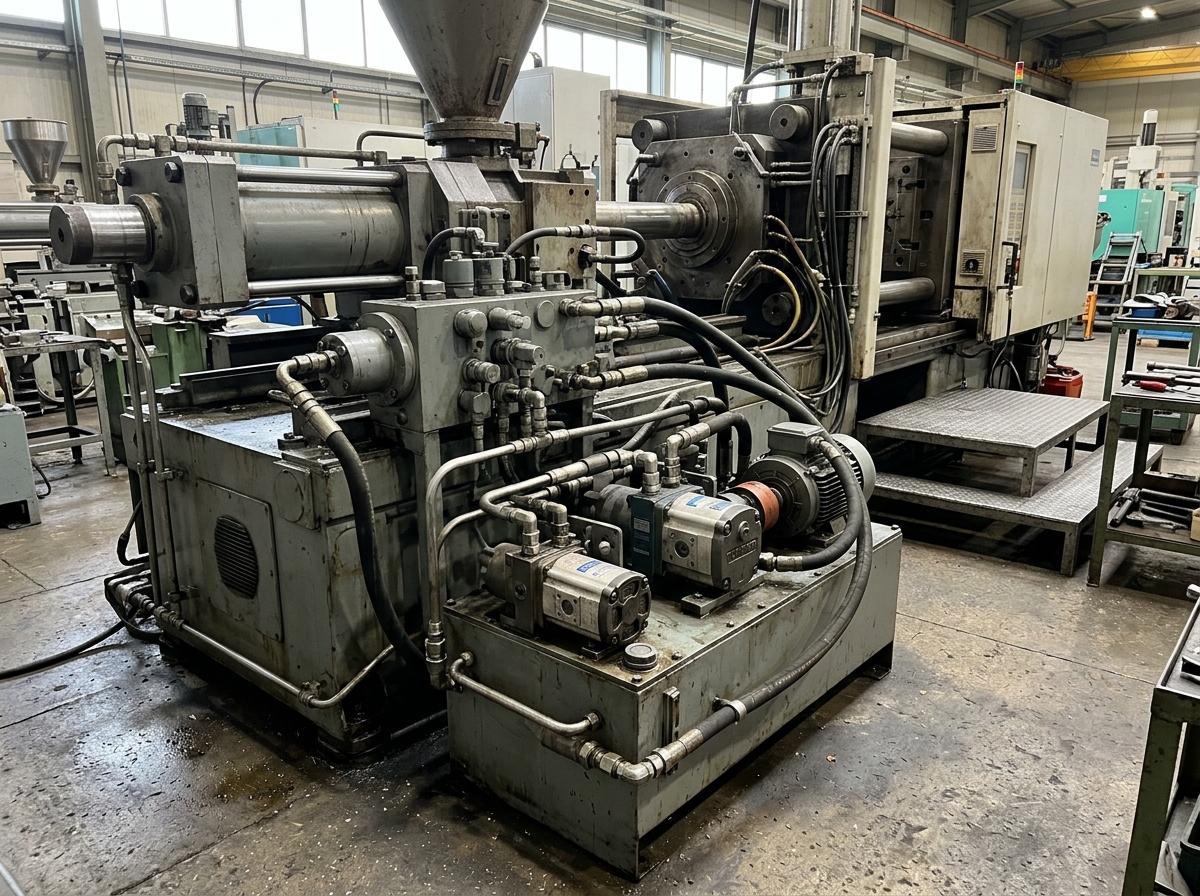
When buying a hydraulic servo system for injection molding machines, focus on three things first: whether the system matches your machine’s pressure and flow profile, whether the control architecture supports stable repeatable molding, and whether the supplier can provide genuine compatibility f...Read more »