-
Sizing Formula Quick Reference Flow: Q (L/min) = V (cm³) × N (strokes/min) ÷ 1000 Power: P (kW) = Q (L/min) × p (MPa) ÷ 60 Pressure derating: −10% per 15°C above 50°C reference Our vane pumps: 7–21 MPa, 5–450 L/min, 62–68 dB(A) Table of Contents Sizing Formulas: Flow Rate and Power C...Read more »
-
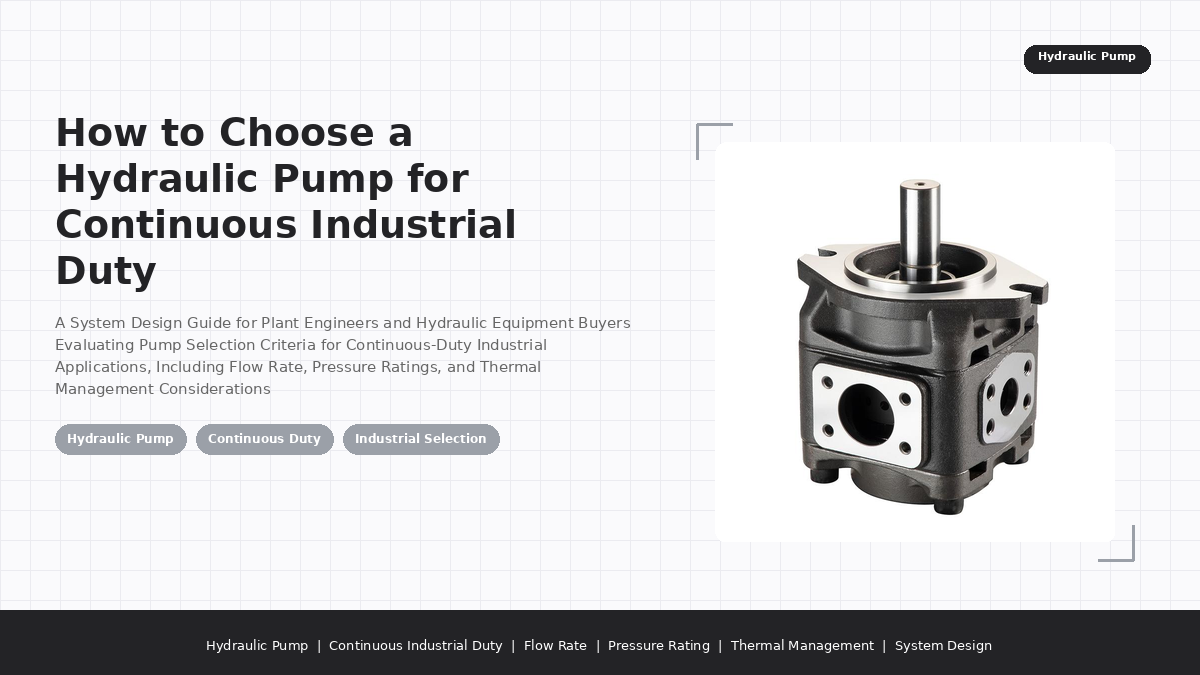
A manufacturer’s scenario-based guide to selecting hydraulic pumps for continuous industrial duty — load cycle classification, duty analysis, and a decision framework that matches pump technology to your specific operating scenario. Continuous Duty Decision Summary S1 continuous: pump run...Read more »
-
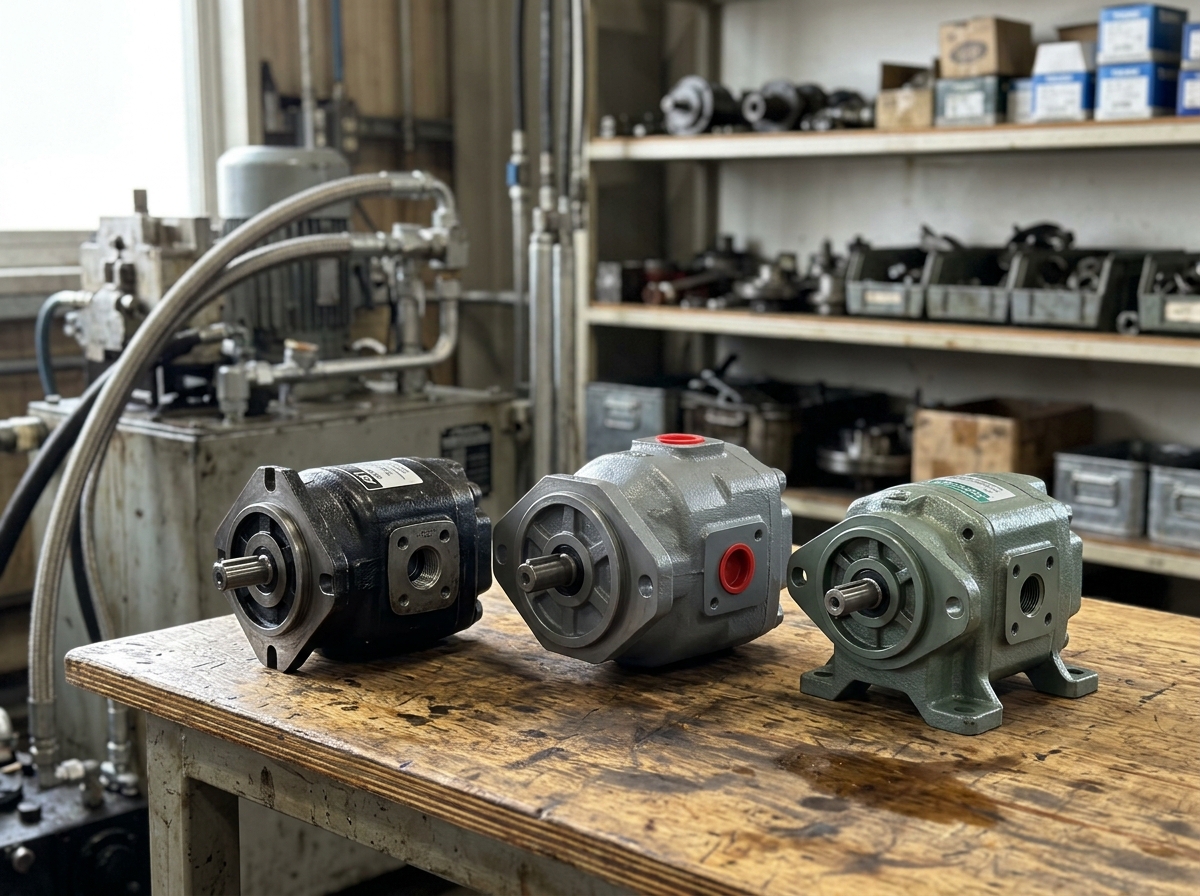
If you are evaluating a hydraulic vane motor manufacturer for an OEM order, the safest approach is to verify four things before you request pricing: technical compatibility, quality control, delivery reliability, and after-sales support. A supplier can look competitive on paper yet fail in real ...Read more »
-
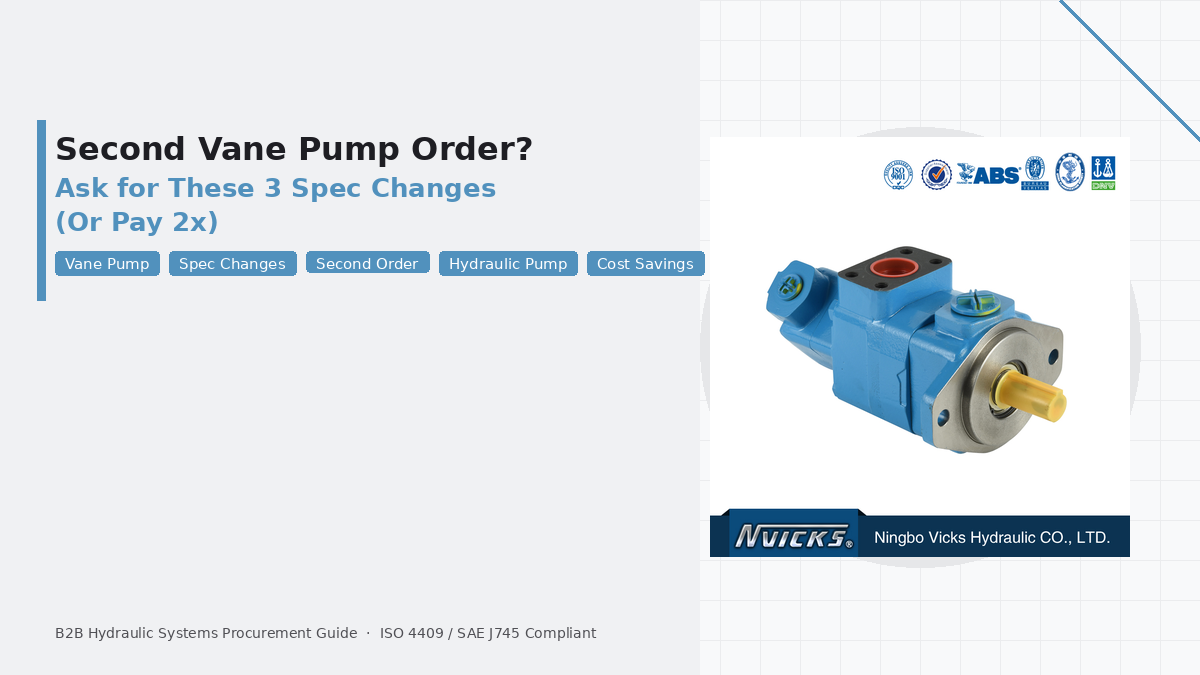
TL;DR. Your second vane pump order is the expensive one if you copy the first-order spec. Three changes typically save 30-60 percent of total cost of ownership over 24 months: (1) re-grade the fluid viscosity for actual operating temperature, (2) tighten return-line filtration, and (3) re-spec ...Read more »
-
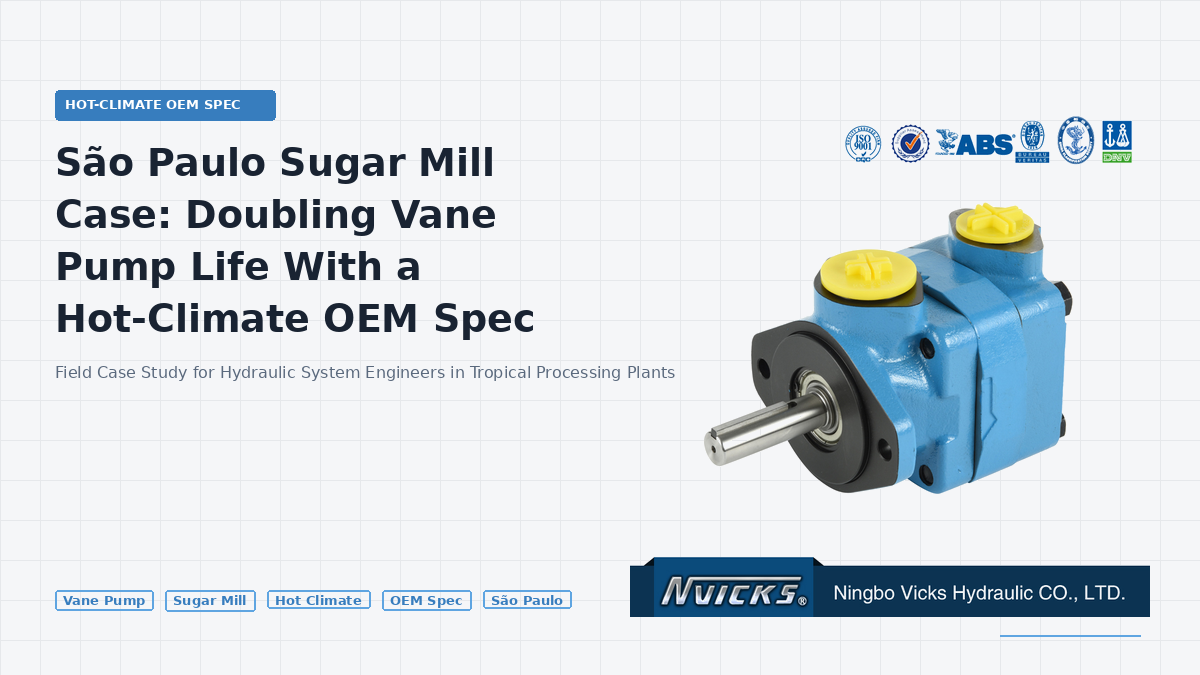
TL;DR. A São Paulo sugar mill was retiring vane pumps every 90 days. By changing three items on the OEM spec – reservoir-side fluid to a high-VI hydraulic oil rated for 50°C+ reservoir temperature, a 10-micron absolute return-line filter, and a Vickers V series cartridge swap – the ...Read more »
-
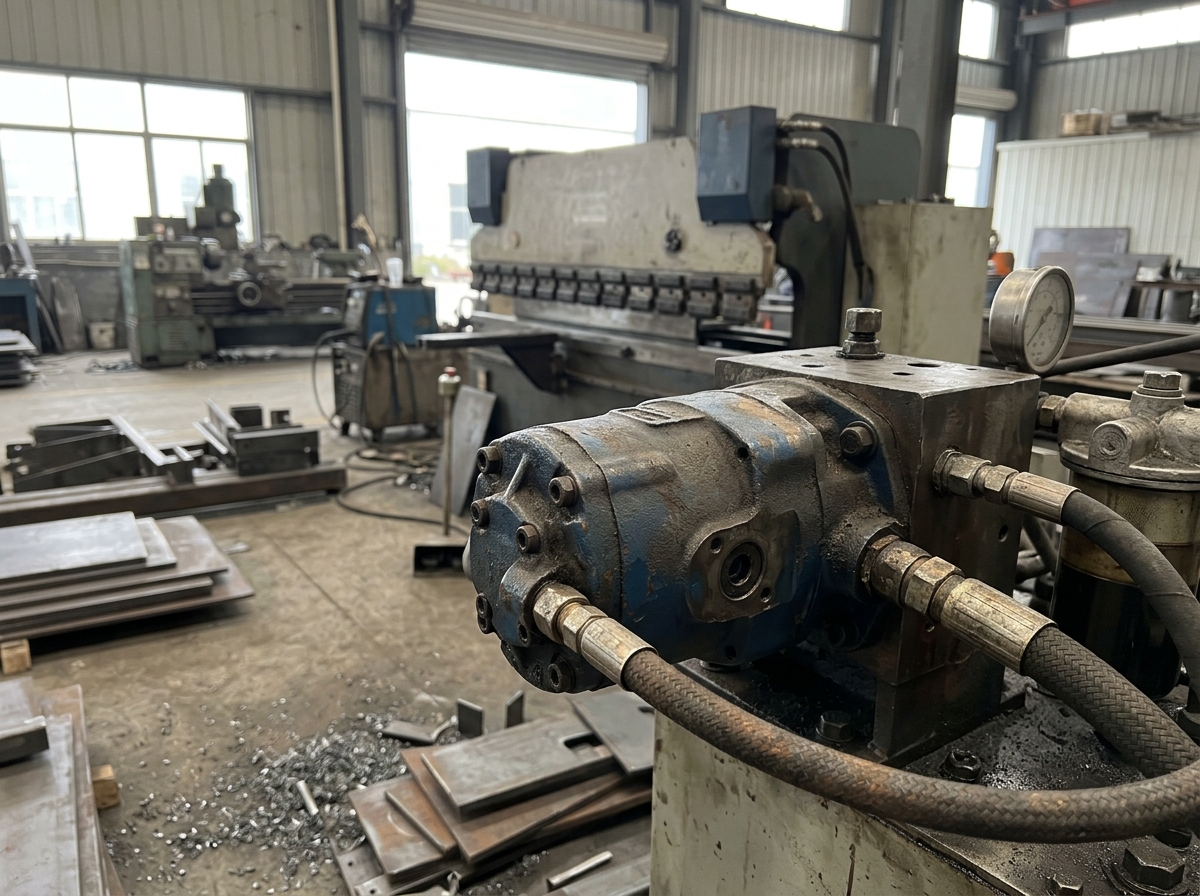
The service life of an industrial hydraulic vane motor is determined less by one single factor than by the combined effect of pressure loading, fluid cleanliness, temperature control, shaft and bearing alignment, duty cycle, and maintenance discipline. In practical terms, a vane motor that runs ...Read more »
-
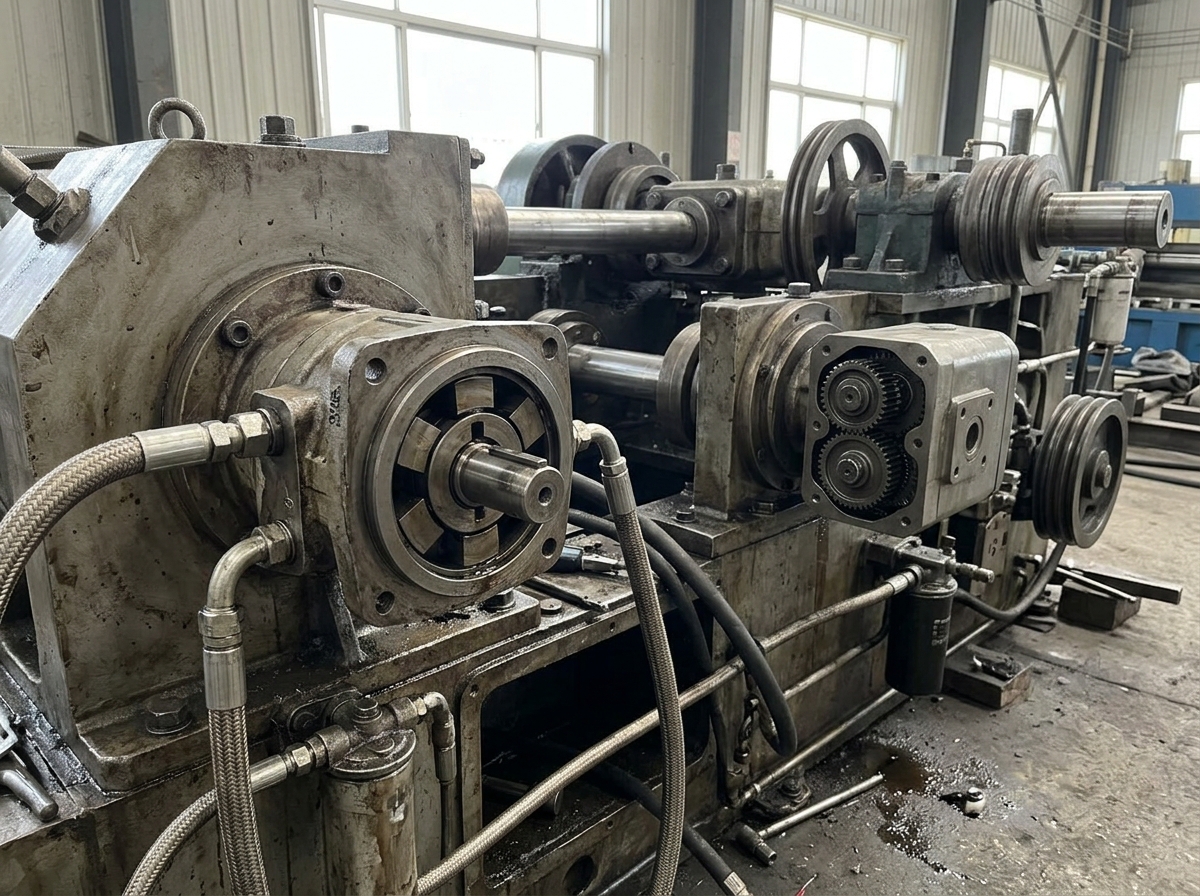
When comparing a hydraulic vane motor and a gear motor for industrial machinery, the better choice depends on the duty cycle, noise target, pressure range, and control needs. A hydraulic vane motor is usually the stronger option when you need smoother torque, lower pulsation, and better speed st...Read more »
-
TL;DR — What hydraulic pump procurement managers need to know in 60 secondsA vane pump model code has 4 segments: Series (T6 / T7 / V / VQ / V10 / V20 / SQP / PV2R) / Type (single vs double) / Displacement (cc/rev) / Shaft + Porting (suffix letters). T6E decodes as T6 series + through-drive rea...Read more »
-
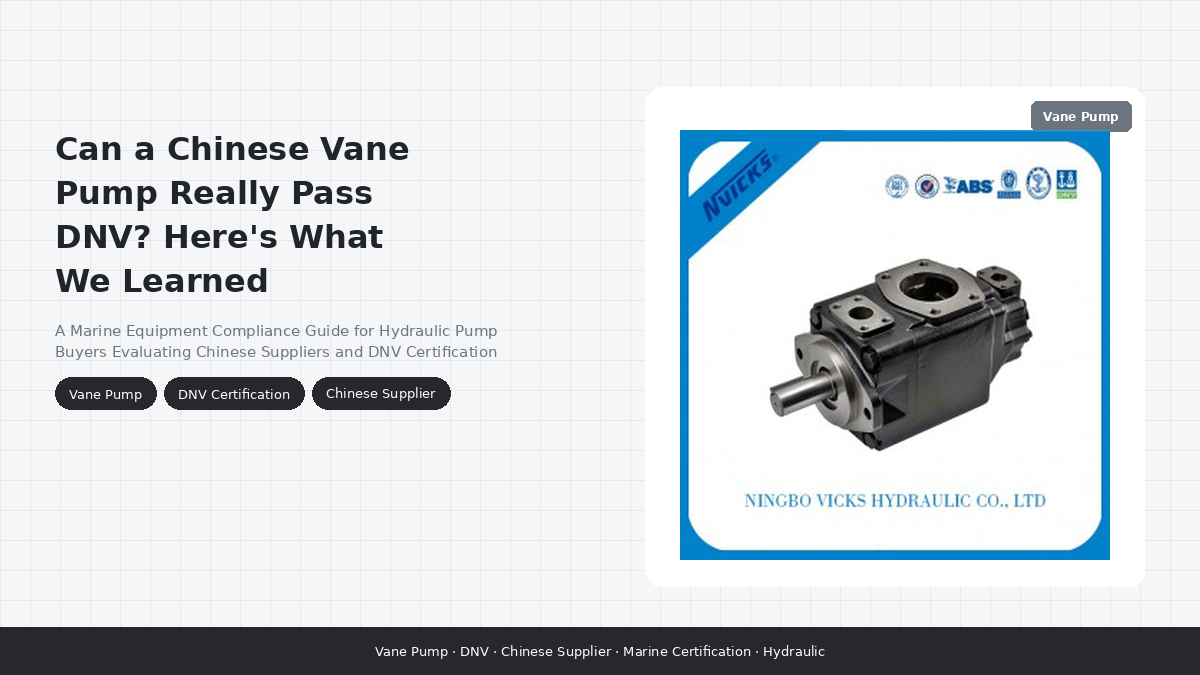
5 IACS classification society certifications (CCS / DNV / ABS / BV / LR) for marine vane pumps — type approval vs shop approval, 4-step verification flow, 5 claim pitfalls, and 3 buyer scenarios where certification decides the vendor. Reading time: ~13 minAudience: Marine and offshore hydr...Read more »
-
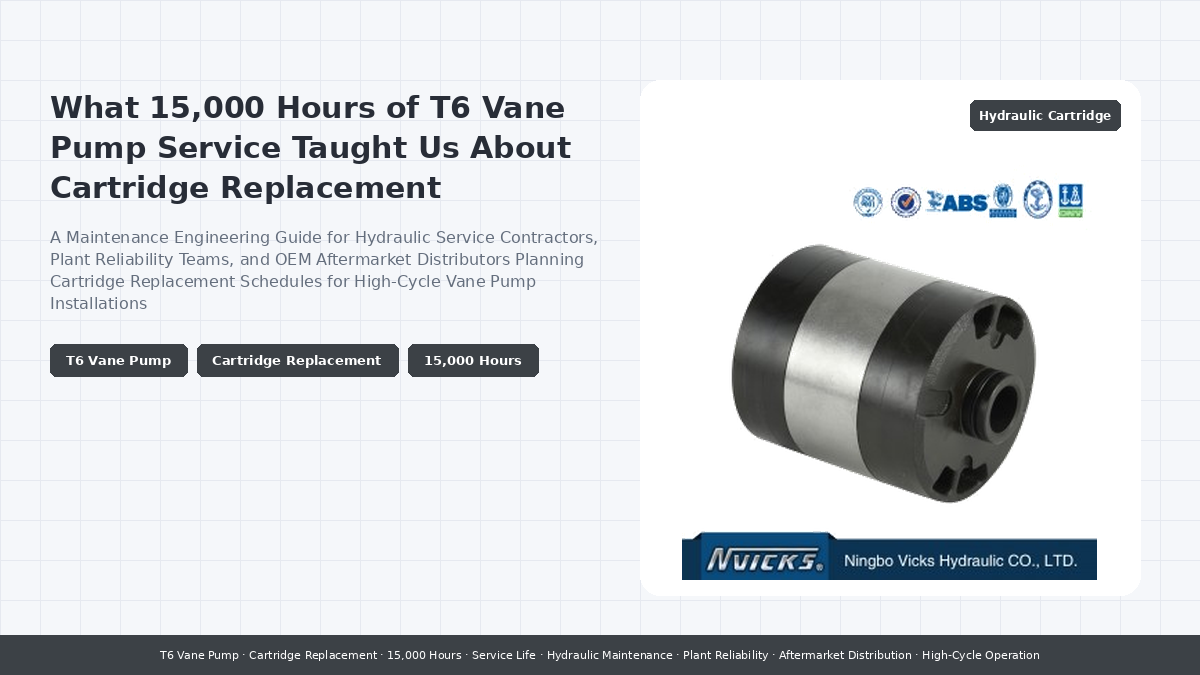
Summary Across five years of field data collected from T6 single and double pump installations, the cartridge replacement decision hinges on three measurable signals rather than a calendar-based schedule. Key takeaways: T6 cartridges under clean industrial conditions consistently reach 12,0...Read more »
-
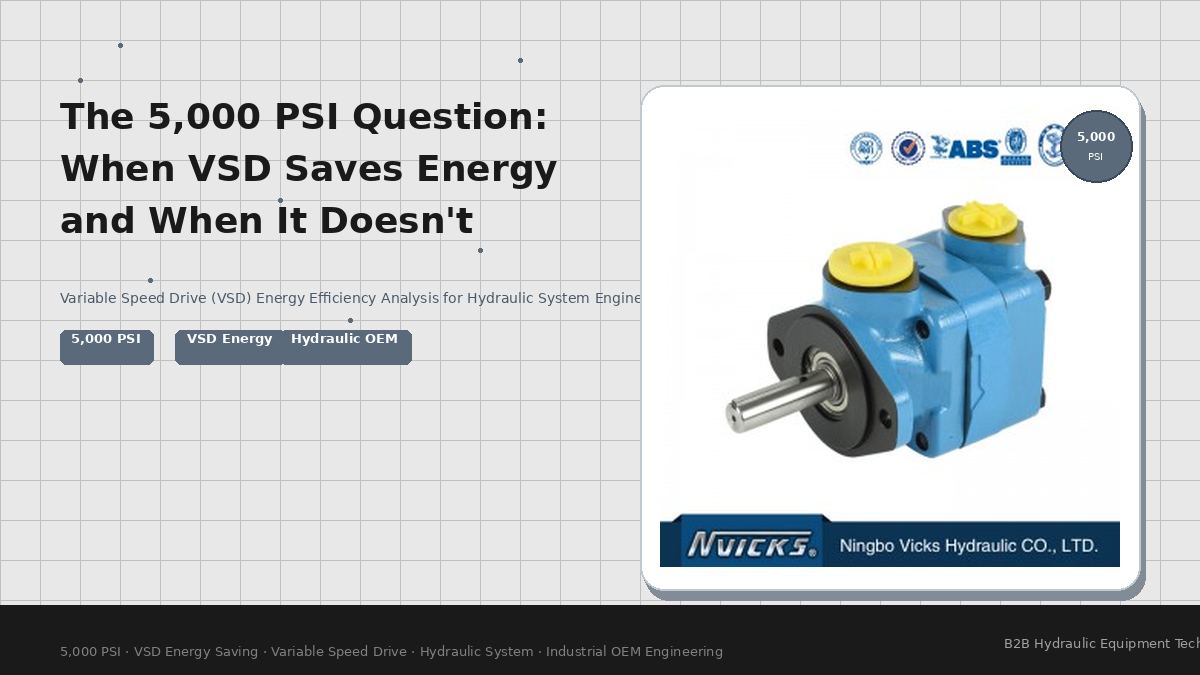
Summary The 5,000 PSI (350 bar) threshold is the dividing line above which VSD economics on vane pump systems start to break down. This article walks through when VSD delivers real savings and when fixed-speed operation remains the better choice. VSD cuts energy consumption 25 to 45 percent w...Read more »
-
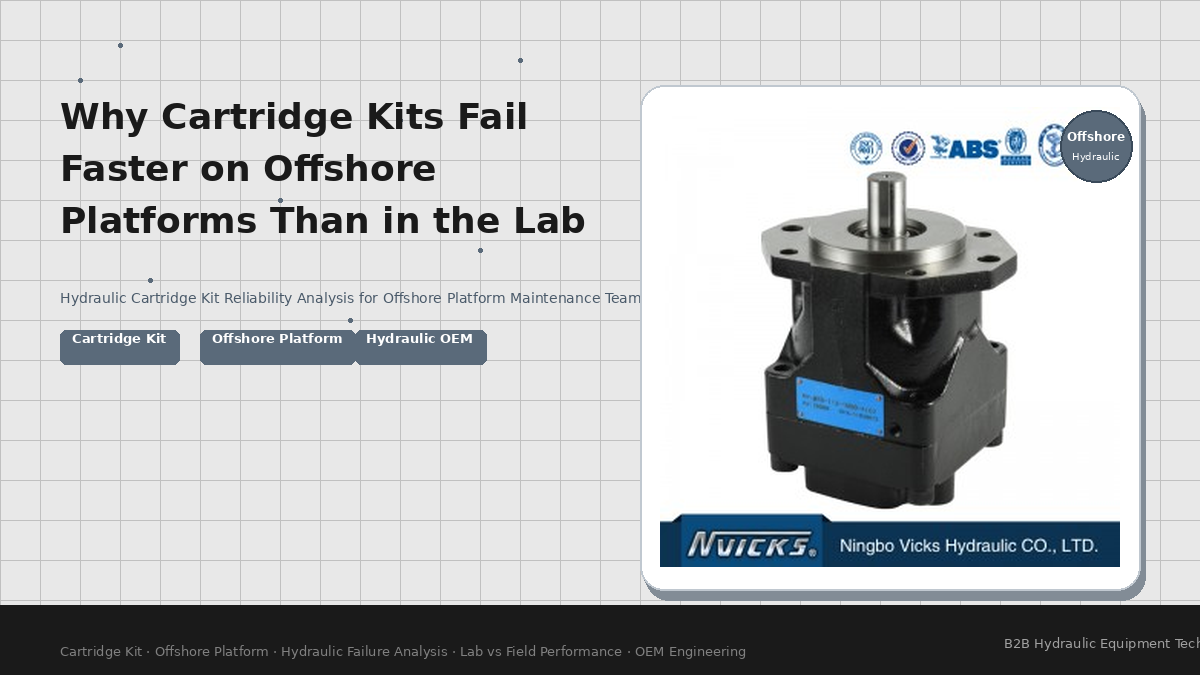
Summary Cartridge kit service life in offshore platform applications runs 30 to 50 percent below lab-tested ratings. This article explains the fthe stressors responsible and the maintenance practices that recover most of the lost life. Salt contamination reduces cartridge life through wear an...Read more »